
Advertisement


Cotogna, Cugna, Mela, Pera, Cotognata
Quince, Quince Paste
Appears in
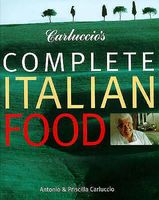
By Antonio Carluccio and Priscilla Carluccio
Published 1997
In the past, the quince was much used in the kitchen, especially to make sauces for roasted meats. Today, although it is still cultivated and is available on the market stalls of Italy in the autumn, it no longer holds the culinary position it once enjoyed. The small trees, with their regularly shaped leaves, bear pear-and apple-shaped fruit (hence the names mela or pera), with downy yellow skin that rubs down to a shine. It has a wonderful scent, although its flesh is too sour to eat raw and once cut it discolours rapidly, so a few drops of lemon juice need to be sprinkled over it.