
Advertisement

O-cha Japanese Tea
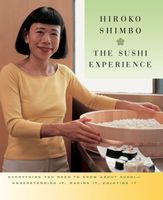
Published 2006
Until about 1935, when sake became the standard drink at sushi restaurants, tea was the only partner for sushi. Still served free of charge in sushi restaurants, Japanese tea is an excellent accompaniment to a sushi meal. Tea refreshes the palate, provides the antioxidant vitamins C and E, raises “good” (HDL) cholesterol, and even has antibacterial properties. Also, sipping hot tea with cold sushi maintains a good thermal balance in the body.
If you get on the bullet train from Tokyo to Osaka, after about an hour you find yourself passing through tea country, where straight hedges of well-trimmed tea plants flash by at more than 160 miles per hour. Tea grown in Japan is the Chinese variety (Camellia sinensis sinensis), a low shrub with small leaves and better cold tolerance than the Assam variety (Camellia sinensis assamica) of northern India. Each tea shrub grows for five years before its leaves are harvested. The best leaves come from seven-year-old plants.