
Advertisement
Toscana
Appears in
Published 2005
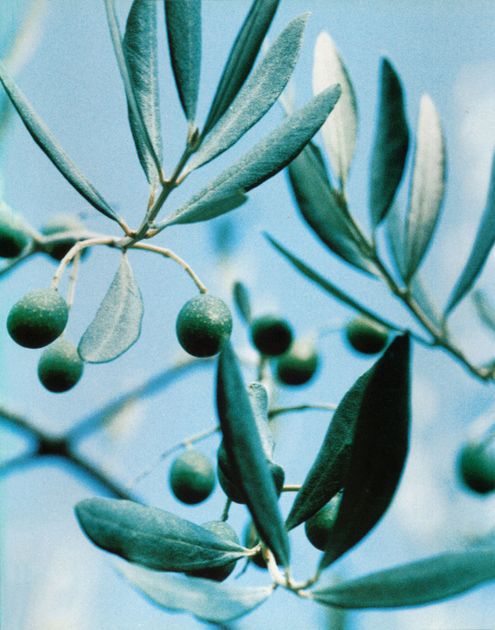
Tuscany marks the divide between the heavier, richer cooking of the north and the simpler, lighter, more Mediterranean style cooking of the south. Tuscan olive oil is a defining factor, and beef and chickens here are the best in Italy. Pasta is less important than elsewhere, and is replaced by good soups, including ribollita and pappa al pomodoro. Vegetables are exceptional, as is the seafood along the Mediterranean coast.
Tuscany consists primarily of mountains and hills to the west of the Appennine range, with coastal lowlands on the Tyrrhenian Sea. It is bordered to the north by Liguria and Emilia-Romagna, to the east by Marche and Umbria, and to the south by Lazio. The region is rich in history and culture. From the 8th to the 5th century BC, it was known as Etruria, and was the country of the Etruscans, until they were subdued by the empire-building Romans. Much later Tuscany was the cradle of the Renaissance, her beauty captured in the paintings of Fra Filippo Lippi, Botticelli, Uccello and other artists of the time. Florence or Firenze, the region’s present capital, was once the most influential city in Italy, a trading centre to rival Venice and a city of ideas and intellect, of religion, banking and power, all mainly the prerogative of the ruling Florentine family, the Medici.