
Advertisement
Quick Breads, Scones & Muffins
Appears in
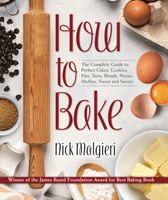
Published 1995
The first project many novice bakers undertake is a quick bread, or one of its many variations, the muffin, scone, or biscuit. All are easy to prepare and even fairly fast in baking time. The “quick” refers, however, to the fact that these yeastless breads require no waiting time for the dough to rise.
Quick breads originated in the mid-nineteenth century both as an alternative to and a substitute for breads made with yeast. With the invention of baking powder—chemicals that have some of the properties of yeast in that they form carbon dioxide gas in the dough or batter that causes leavening or rising to take place during baking—many thought unreliable and often allergy-causing yeast would be replaced. Occasionally, a quick bread is leavened by baking soda or a combination of baking powder and baking soda. When baking soda is used, there is always an acid ingredient—cocoa, chocolate, sour cream, yogurt, honey, brown sugar, or molasses—present. The baking soda foams in the presence of the acid and causes a supplementary leavening that counteracts the heaviness of the acid ingredient or provides all the leavening for the dough or batter.