
Advertisement
Pasta Names
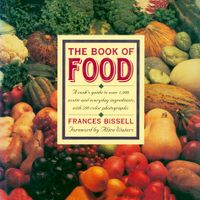
Published 1994
The question of names for pasta can be a minefield for the unwary who try to claim a definitive and accurate list of pasta names and translations. There is no such thing.
What I know as fusilli, another may recognise as tortiglioni, and yet another as eliche. And are they “spirals”, “screws” or “spindles”? Some Italian pasta guides label vermicelli or “little worms” as the long pasta which is one grade thicker than spaghetti. Others maintain that vermicelli is thinner than spaghettini (itself thinner than spaghetti), while yet others claim that this thin pasta should be called “angel’s hair” (capelli d’angelo) rather than little worms. Show a pasta shape to five Italians and I am convinced you will be given five different names. Confusing it may be, but the naming of pasta is highly descriptive and amusing. Little ears (orecchiette), little boots (stivaletti), elderflowers (fiori di sambuco), twins (gemelli), little celery stalks (sedanini), flying saucers (dischi volante), priests’ hats (cappelletti di preti) are some of my favorite names, and the list is literally endless.