Advertisement
Pizza Dough, Three Ways
Appears in

Published 2021
The scariest part about making pizza at home is the dough: “It takes too long,” “Will the yeast activate?,” “Will the dough rise?,” “I’m afraid of rolling pins!,” and the list goes on. There are a lot of excuses for not making your own pizza dough, but the truth is that once you get the hang of it, it’s a piece of pie (pun intended).
Here are a few pointers to keep in mind:
- The water must always be precisely 110°F (45°C). Use a candy thermometer to make sure. Any more and the yeast will die; any less and the yeast can’t activate. Microwaving the water for 1 minute usually does the trick, but if it gets too hot, stick the cup in the refrigerator for a couple minutes and check again.
- You can use a stand mixer fitted with a dough hook to mix your dough, but it isn’t necessary.
- Add flour until you have a soft ball of dough. Sometimes you won’t use the full amount listed in the ingredients, and sometimes you’ll use more.
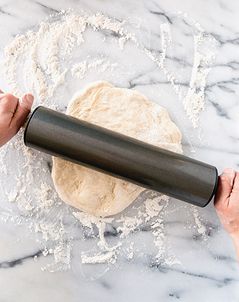
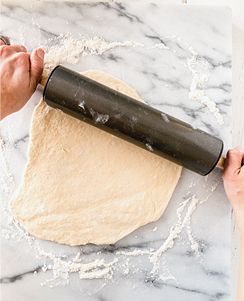
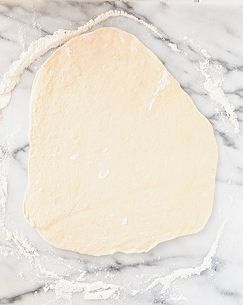
- A well-floured surface is paramount to peaceful dough rolling (i.e., no “it’s-sticking-to-everything!!!” panic attacks).
- The best surface to cook your pizza on is a preheated pizza stone. You will, however, need a good pizza peel to transfer your pizza to the stone. If you don’t have a pizza stone, don’t sweat it. A round metal pizza pan or even a baking sheet will also work.