
Advertisement
The Sixteenth Century
Culinary Expansion
Appears in
By Anne Willan
Published 2012
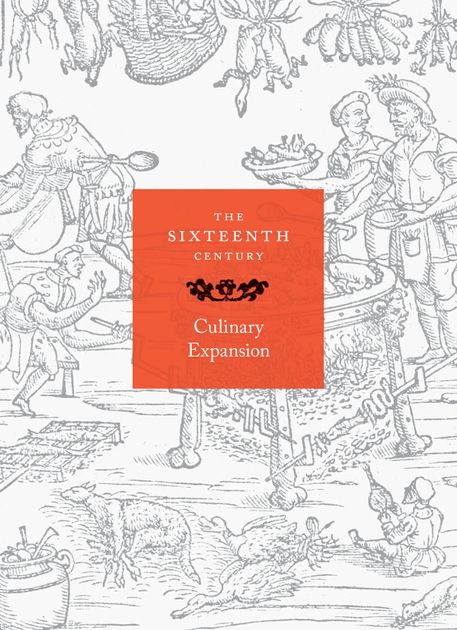
Detail from Banchetti composizioni di vivande by Cristoforo di Messisbugo, 1549. Full image.
By the beginning of the sixteenth century, the printing press had shrunk the world of late Renaissance Europe. Book publishing flourished in many cities, and one by one, significant new cookbooks began to appear in print. Under humanist influence, ideas passed from one kitchen to another faster than ever before, sometimes via printed recipes and published cookbooks but also in poems, works of natural philosophy, and medical treatises on diet. People were hungry for knowledge, and writers were eager to reveal the “secrets” of new medical, astrological, agricultural, scientific, and culinary expertise. Books embraced multiple genres—encyclopedias contained fables and poems, natural histories included travelogues—so cooking instructions and advice on good eating could be hidden in many places. Books on agriculture explained how to grow foods and, by implication, how to bring them to the table. Cookbooks with recipes as we know them today were still few, but printing had already launched a range of culinary information that was to widen throughout the century.