
Advertisement
Ingredients
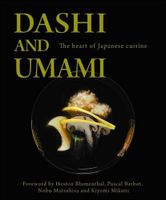
By Heston Blumenthal, Pascal Barbot, Nobu Matsuhisa and Kiyomi Mikuni
Published 2009

The fertility of nature in Japan results from its geographical diversity. Mountains, sea and plains each have their bounty to bestow. This diversity is prized, especially in the form of local ingredients, which are at the foundation of kyodo ryori (regional cuisine). Different regions in Japan are often famous, not only for the dishes that are local specialities, but for the particular ingredients harvested there, which are often named after the location, such as rishiri kombu (kelp seaweed).
This bounty brings diversity to a diet whose main staple is rice. Such is the importance of rice to the Japanese, that the word for cooked rice, ‘gohan’, also means ‘meal’. However, rice is not only eaten steamed, but is a versatile ingredient from which the Japanese make sake, mirin (sweet cooking alcohol), su (vinegar), senbei or okaki (crackers), mochi (glutinous rice cakes) and confectioneries. Rice has been inseparable from Japanese culture since around 300 BC, when the technique of wet rice cultivation was imported from the Asian mainland. This technique proved valuable to the Japanese because the high crop yields made for an efficient use of limited land.