
Advertisement
Umami in Chinese Cuisine
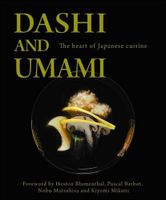
By Heston Blumenthal, Pascal Barbot, Nobu Matsuhisa and Kiyomi Mikuni
Published 2009
In contrast to the fermented fish products that are poplar in South-East Asia, China takes a somewhat different, if equally effective, approach to umami. More in common with the umami of Western cuisine, China has a long tradition of creating flavoursome stock, known as tang, by crushing the bones of beef, chicken or pork and simmering them for an extended period of time to release umami. As with dashi, there are various types and grades of stocks. Shang tang or qing tang are the equivalent of ichiban dashi. There is also a second stock soup, called er tang, which can be considered to be akin to niban dashi. Having said that, Chinese tang tends to have a fuller, more subtle blend of tastes than Japanese stock, which may be a result of the comparatively hard water of China.