“Cairo is the Mother of the World, because if the whole world is suffering dearth and famine, Egypt can feed it.”
AN OTTOMAN TRAVELLER: SELECTIONS FROM THE BOOK OF TRAVELS OF EVLIYA ÇELEBI (ROBERT DANKOFF & SOOYONG KIM, EDS.)
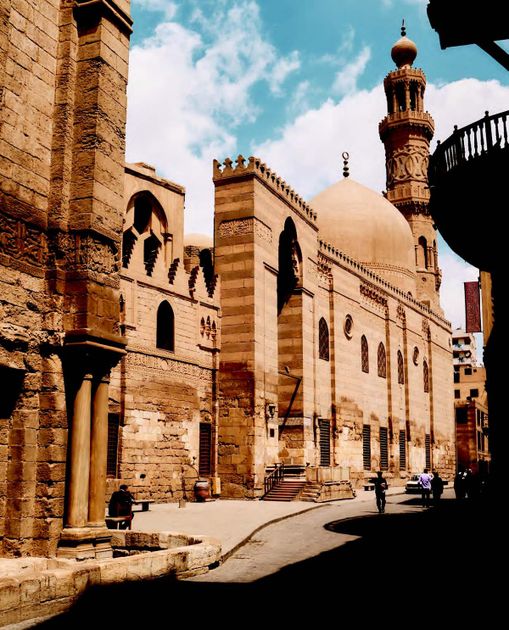
So were the words of the greatest writer of the Ottoman Empire, Evliya Çelebi, born in Istanbul in 1611. After nearly half a century of travels, wondrously chronicled in the spirit of Pepys and Montaigne, his final stop was Cairo, where he died in 1685. Çelebi’s description of Cairo as the “Mother of the World” translates to the Arabic Om el Dounia, a term used today to describe a city of staggering scale, complex layers and fascinating histories. Cairo dazzles, with the Nile River running through it, the Giza pyramids its background view, and tens of millions of people entangled in a daily dance on its frenetic streets and expansive plateaus. A city so grand in scale and stature that calling it “Cairo” is not enough; Egyptians refer to it as Masr, the Arabic word for Egypt itself.