
Advertisement
A Guide to Customs and Etiquette in Nepali Dining
Appears in
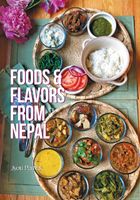
By Jyoti Pathak
Published 2023
Here are a few basics about Nepali dining etiquette to better understand the country and culture:
- The joint family system, where the father, mother, married sons and their spouses and children all live together, is still widespread in Nepal. During meals, family members gather on the kitchen floor, sitting cross-legged, on a low wooden stall or mat (pirka or chakati). Some modern families use western-style tables and chairs. Dining together is a joyful occasion. Customs are deeply ingrained and food taboos are taken seriously.
- When you are in a Nepali kitchen, shoes are taken off due to religious reasons and hygiene.
- To begin the meal, family members offer a small amount of food to their gods and ancestors and bow their heads to express gratitude for the food provided.
- Usually the food is first served to the eldest or most respected family members or friends. All dishes are served together at the same time, usually by a female member of the family. If you desire a second helping, you don’t serve yourself. Dishes are not passed around. Rather, the cook or hostess spoons the prepared food onto your plate. They keep an eye on who needs what, and make sure that everyone eats well by repeatedly offering more food. Men and children often dine first, followed by women.
- Before and after eating, water is provided to wash hands, rinse the mouth, and gargle.
- Traditionally, Nepalese eat with their right hand, as the left hand is considered unsanitary. Western influences have introduced silverware, but some Nepalese are still convinced that food tastes better with their hands. Eating with one’s hands forms a connection between the texture and temperature of food, improves digestion, and prevents overeating. Eating this way has its own etiquette: use only the right hand and just the tips of the fingers to mix the rice with vegetables, leaving the palm perfectly clean.
- It is common to make noisy slurping sounds while eating or drinking.
- Leftover food is called baasi-khaana and is traditionally given to animals as a gesture of kindness to all living things.
- In many orthodox Hindu homes, maacha-maasu (meat and fish) may not be mixed or served together. There is no scientific reason for this that I know of, but logically speaking (and this is just my opinion), our forefathers probably thought that it would be improper to mix two kinds of protein for digestion.
- Some religious people with orthodox views avoid eating food cooked by others but will accept food like fruits, milk, and vegetables.
- In the Nepali language, jutho refers to tasting food from a cooking pot with a stirring spoon or eating food from someone else’s plate or sipping water from other people’s glass, and doing so is considered impure and makes food polluted or inedible. This is one of the most important food taboos in Nepal and observing it is a sign of respect.
- Although Nepal is one of the poorest countries in the world, it is known as one of the most hospitable countries. Guests are always looked upon as gods and Nepalese consider it an honor to welcome visitors, including strangers and passersby, and treat them with kindness and courtesy. From the rich to the poor, Nepalese always offer guests some kind of food and beverage.
- Food is a constant topic of conversation in Nepal. No meal is complete without an extended discussion about food, such as how it is cooked, how it is served, and ruminating about recently enjoyed meals. It is also common to talk about one’s health, weight loss or gain, and which foods treat various ailments.
- Dining in restaurants is not common. Most people eat at home, and a lot of time is spent preparing family meals. Entertaining is always done at home and the most authentic dishes are always found in individual homes.
- Culinary traditions and recipes are passed down by word-of-mouth from mother to daughter or daughter-in-law, or from grandmothers and aunts over time, with each generation adding their own special touches. Young girls learn to cook by watching and helping in the kitchen. Nepali cooks are not accustomed to measuring devices and cooking is mostly guided by basic principles and common sense, like most culinary traditions. There are no set rules that one has to follow.