
Advertisement
Persian Public Baths
Hammam-e Umumi
Appears in
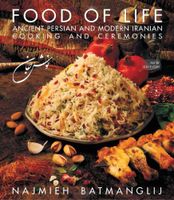
Published 2011
Persian public baths are usually dome-shaped, skylit, and built next to a mosque. The public bath was one of the centers of community life and a source of information, particularly about suitors and marriage possibilities, as well as a place for discussions, singing, dancing, tambourine playing, jokes, gossip, hair coloring, and even doing laundry. From a sociological point of view, therefore, the public bath was of special importance. Women spent the whole day there, socializing and taking steam baths. Before going to the public bath they often prepared snacks and lunch, such as fruits, meatballs, chickpea patties, meat paste, Persian pickles, flat sangak bread, romaine lettuce to be eaten with vinegar syrup (sekanjebin), pomegranate seeds with ground golpar and salt, white cheese and fresh herbs, and sometimes even noodle soup.