
Advertisement
Essex
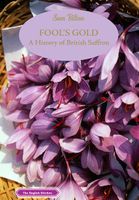
By Sam Bilton
Published 2022
When researching the history of English saffron the obvious place to start is Essex, home to Saffron Walden. The Elizabethan antiquarian, topographer and historian, William Camden, describes the county as ‘abounding in Saffron’. Essex was also renowned for its caraway, coriander and teasel crops. Caraway and coriander were used in medicine, condiments, distilling and brewing, while teasel was used in the textile industry. In an early twentieth-century study of field names in Essex, local historian