
Advertisement
Headcheese
Nothing Cheesy About It
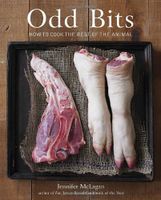
Published 2011
While heads make great stock, a better way to appreciate their multitextured meat is in headcheese. Fromage de tête, headcheese, coppa di testa, brawn, and Presskopf are all terms for cooked head meat pressed into a mold or formed into a sausage. It’s usually made with a pig’s head, but the head meat from cows, sheep, calves, or even rabbits can be used for headcheese.
But why do we call it headcheese? Your first thought might be that it is a sort of culinary duplicity intended to make this dish more acceptable. Well, I am not sure how appetizing the term headcheese is, and anyway you’d be wrong. To understand this strange name we must look to the French, who also call it headcheese, fromage de tête. In the French language, the word fromage comes from the Latin forma, which does not signify cheese itself but rather how cheese is made. To make and shape cheese, the curds are pressed into a basket or a pierced wooden frame called a forma; the term fromage was applied to anything pressed into a mold. For example, in eighteenth-century France, fromage glacé was not cold cheese but molded ice cream. Perhaps to be clearer we should have adopted the German Presskopf, which means “pressed head,” but we did not, and headcheese in all its oddity is now commonly used in English-speaking countries.