
Advertisement
A New Era
Appears in
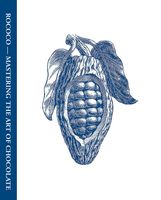
Published 2012
It was time to lose the dated pink and gold cherub wrapping paper. André lent me his old French books on design, beautiful leather-bound editions made from a series of copper plate engravings from A Morel et Cie, which was the birth of the Rococo monochrome period. I designed a black and white pattern using one of the pages, turning it into a repeating motif with the bird of paradise. At a party held by Leo and Philippa I met Robin de Beaumont, their elegant and recherché antiquarian bookseller colleague. He had a very good eye, not only for beautiful girls, but also for fine volumes. He came to the shop one day clasping a small red book, a chocolate mould trade catalogue from the late 1890s. In it were beautifully engraved line drawings of fantasy creatures, Easter eggs, chocolate bars and all the things that were on sale at that time to French confectioners and chocolatiers. The images were equally compelling: scallop shells, lobsters, oysters and fish, all deeply Rococo motifs, as well as heads and animals. It was not cheap, indeed it was priced at most of a month’s wages for me at the time, but I was seduced. Robin kindly gave me a discount and I remember his parting words: ‘You will not regret this. I know you will do something extraordinary with it’. I had the idea of making a sheet of tissue paper using my favourite images from the book. Fortunately all the images were out of copyright, as they were over 50 years old. I photocopied the images I liked most and glued them on to a sheet of paper. The whole process took about 10 minutes. Gordon, the printer, took one look at it and said, ‘I think it’s just brilliant, it’s going to look very beautiful!’ He took away the rough layout and had a copper roller made with the designs etched into it and the enduring Rococo brand was born; the blue and white patterns that everyone now associates with us.