
Advertisement
Regional Specialties
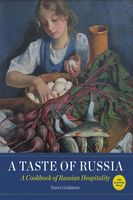
Published 1983
The state of the culinary arts in Russia remained virtually the same from the time of Carême until the 1917 Revolution. Then, in gastronomy, as in all other aspects of life, things changed suddenly and radically. There were no more gentry to lazily pass long summer days directing servants in the art of preserving. Most women began to work outside the home, and little time remained for complicated culinary endeavors. The peasantry thronged to the cities, where they found housing in cramped apartments, often sharing one small kitchen with several other families. There were no large pantries, no Russian stoves to simmer stews or bake the hearty breads. People stopped eating the way they once had, although interest in food did not diminish. Instead, the Russians began to adapt to the new conditions by developing a less complex cuisine. One favorable result was that yearly trips to the spa to “cure” the liver from an overdose of rich food were no longer necessary.