
Advertisement
Shipped off at Four Years Old for Praying to the Wrong God
Appears in
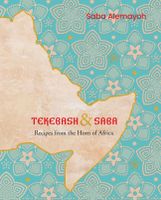
Published 2023
Sudan operated on Sharia law – the government, Islamic faith and law being inseparable. Sharia law created cultural clashes along faith lines at times for Tegaru, most of whom are Orthodox Christians (about 95 per cent of the population).
Khartoum had layers of class division: foreigners working for non-governmental organisations, Middle Eastern/Arab businessmen, North Sudanese, Habesha folks (Eritreans/Ethiopians/Tegaru) and, at the bottom of the totem pole, South Sudanese and Falatas (descendants of Nigerian migrants from previous centuries). This class difference was exacerbated by differences of faith. There wasn’t much social interaction between the different groups.