
Advertisement

Almeria’s glory
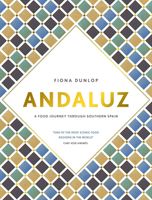
By Fiona Dunlop
Published 2023
The previous day I looked out from the massive 10th century Alcazaba (kasbah or fortress) over an urban mosaic of flat roofs and cube-shaped houses, a former 10th century quarter called the Barrio de la Medina and about as North African as you can get. It could be Tangier but it is Almería, a Roman port that was transformed by Al-Andalus into its lifeline with the Islamic world.
Prosperous and cosmopolitan, it became the crossroads of Yemeni settlers and traders from Egypt, Syria, France, and Italy. The economy soared due to the production of silk—made from cocoons and transported on mules from the nearby Alpujarra mountains Then in 955, thanks to the hyperactive