
Advertisement

Water Chestnuts
Appears in
By Ken Hom
Published 1981
Sweet, crisp water chestnuts have been eaten in China for centuries. They are especially popular in the south, where they are sometimes grown between rice plants in paddies. (This is why they are often muddy.) They are also grown commercially in large tanks as a single crop. They are being cultivated in Florida, Texas, and California and are appearing in supermarkets all over. They are basically an edible root that forms in the mud at the base of the stem.
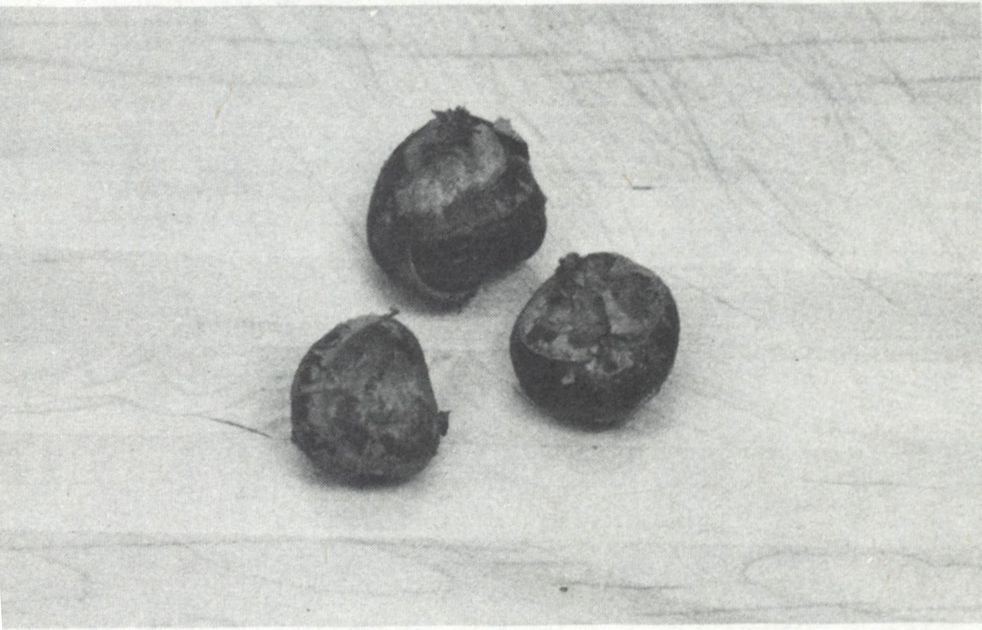
Canned water chestnuts are a pale version of the fresh ones because both the crispness and the flavor are lost in the canning process. Try to get fresh ones, or eliminate them altogether. When buying fresh ones, look for a firm, hard texture. The skin should be tight and taut, not wrinkled. If they are mushy, they are too old. Feel them all over for soft, rotten spots. If you peel them in advance, cover them with cold water to prevent browning, or store them in the refrigerator. If you keep them for more than a day, change the water every 24 hours. Stored unpeeled, loosely packed in a plastic bag, good ones will keep in the refrigerator for up to 10 days.