
Advertisement

Kombu
Kelp
Appears in
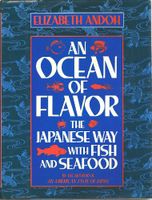
Published 1988
The natural taste-enhancing properties of Laminaria japonica and Laminaria ochotensis, two of many commonly used sea vegetables in Japan, have been known for centuries. These sturdy kelps are used primarily for stock making, though they are also cooked and eaten as vegetables.
When shopping, ask for dashi kombu (“kelp for stock making”) and let price be your guide; the superior product is more expensive. The whitish, chalky-like powder is not an indication of mold or spoilage. The color and thickness of kelp can vary from thick and stony gray to thin and green with a reddish cast. All kelp should be stored in an airtight container on a dark shelf, where it will keep indefinitely.