
Advertisement

The journey to Parsi sweets and dessert
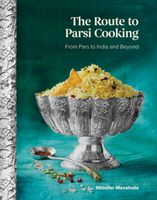
Published 2024
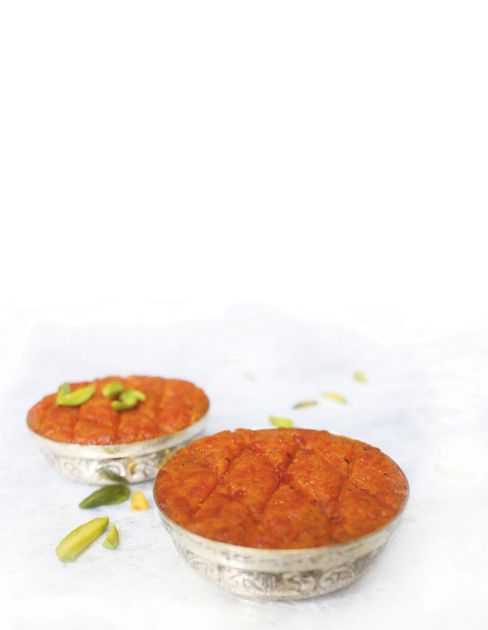
Ravo, eeda pak, sua pak, and gajar no halvo all have Persian roots. Parsi delicacies like doodh pak (an almond and rice pudding), akhrot no halvo, badam pak, and copra pak have both Persian and Indian influences. Halva is a Persian dessert that has spread throughout the Middle East and India. The term first appeared in the 7th century to describe a mixture of mashed dates and milk. The phrase is now used to describe a variety of foods, the most common of which is a thick paste made of wheat, butter, ghee, saffron, rose water, milk, cocoa powder, and sugar. Our malido is an example of halva. Customarily offered for prayers, malida or maleeda is a Pashto and Farsi term meaning ‘finely crushed’. It was a dessert cleverly created to use up leftover parathas and rotis (bread). The Parsis brought this recipe from Persia to India and continued to create their version with eggs, cardamom, rose and saffron while continuing to call it malido.