
Advertisement

Wild Rose

Published 1986
Rosa canina A common shrub throughout the British Isles, it is found in woods, hedges and scrub. The wild rose flowers from June to July and bears fruit from late August to November. The fruits should not be picked until they have been softened by the frost but they are of little use after the end of October. The seeds of the hip are covered with tiny hairs and care should be taken to use a very fine jelly bag when straining cooked hips.
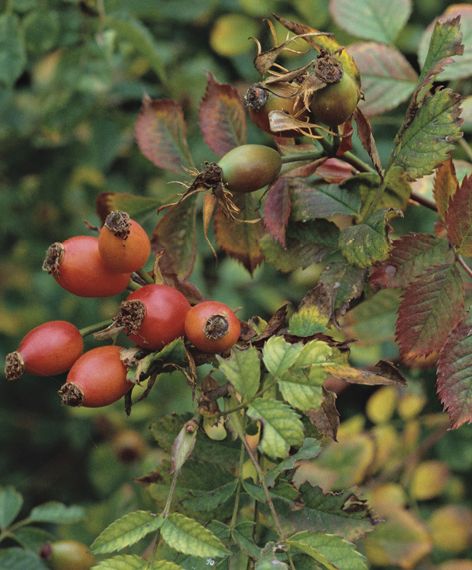
The popular English name of this wild rose is ‘dog rose’ and it has been suggested that this is founded on an ancient tradition that the root would cure the bite of a mad dog. However, a more likely explanation is that the name was originally ‘dag rose’, dag meaning a dagger and alluding to the large thorns. In the language of flowers the dog rose symbolizes pleasure mixed with pain. A rose has been worn as a royal badge since the 13th century, while the Chinese use the petals as a vegetable. Cupid is said to have given Harpocrates, the god of silence, a rose, to bribe him not to betray the amours of Venus. For this reason the rose became the emblem of silence and was carved on the ceilings of banqueting rooms to remind the guests that what was spoken sub vino was not to be repeated. From this, ‘under the rose’ or sub rosa means in strict confidence.