
Advertisement
Center from Córdoba to Málaga
Sierra-plains-sea
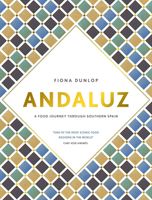
By Fiona Dunlop
Published 2023

The truth is that the lines and features of far Arabia still remain in the air of Córdoba and Granada. Federico García Lorca, 1931.
Between Granada and Córdoba an infinite carpet of olive groves undulates north all the way to Jaén, forming Europe’s largest area of olive production. Threading my way through it, I follow the so-called route of the Caliphate, a showcase of Andalucian heritage. Row upon row of silvery-green trees contrast with brick-red earth and dizzily change directions with the contours of the sierra like optical art Then there are stark, jagged limestone peaks, white-washed fincas (country houses) draped in necklaces of red peppers, an idyllic valley with a meandering stream, and of course dozens of castles. Zuheros, on the northern flank of the Subbética mountains, has one of the most iconic strongholds, teetering vertiginously on a rocky crag, while Baena’s 9th century battlements crown an old quarter simply called Almedina (“the town” in Arabic). To the south, the baroque jewels of Priego de Córdoba surround a sturdy Moorish fortress and a maze-like moreria (Moorish quarter) of winding narrow lanes brimming with geraniums That lightness of spirit is alive and well.