
Advertisement
Aromatic Herbs
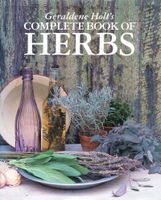
Published 1991

Fragrance is of central importance in the history of herbs and their uses. To the medieval world in which western herb gardens developed it embodied an ideal form of beauty, to be revered and celebrated. A garden hedged round by high walls or hedges and filled with flowery meads, crystal streams and fragrant flowers represented the medieval vision of the earthly paradise. Among the many virtues ascribed to herbs - whether mystical or symbolic, aesthetic or practical, medicinal or culinary - their scent was viewed as paramount, to be treasured above all: in the thirteenth century