
Advertisement
Vinaigrettes
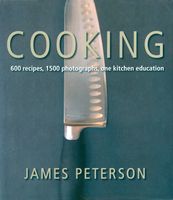
Published 2007
The secret to a successful vinaigrette is to use the best possible oils and vinegars. Homemade vinegar is great if you have it (see), but you can also use good-quality commercial vinegar, such as sherry vinegar or balsamic vinegar. Extra virgin olive oil equals wine in variety and complexity of flavor, so it is worth experimenting to find your favorites. Some vinaigrettes are made with bland oils, such as canola oil or grape seed oil, when they are being used for dishes so delicate that a stronger oil would interfere. Nut oils are delicious in vinaigrettes used on bitter greens, but they are so strongly flavored (at least good ones) and expensive that it is usually best to combine them with a flavorless oil. (See for more information on oils, vinegars, and vinaigrette for salads.)