
Advertisement
The Perfect Roast
Appears in
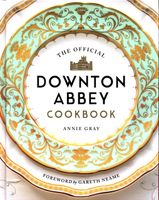
By Annie Gray
Published 2019
Roast meats were, in many ways, the climax of the meal. The first few courses built up to them and the last few descended down from them. They had been prestigious for many centuries, partly because meat itself was expensive and scarce for most people and partly because it was an inefficient way to cook. Until the late nineteenth century, roasting had only one meaning: cooking meat in front of an open fire. Initially this meant employing someone to sit and turn a spit, as well as baste the meat if required, but in the seventeenth century, automatic spits were invented. This welcome innovation used the draw of the fire to propel the blades of a large fan located just up the chimney, and in turn the fan, through a system of pulleys and cogs, drove the spit. This setup was ubiquitous in country houses until the very end of the nineteenth century, when changing service styles, problems recruiting servants, and the ease of new technology meant that some houses replaced them with ovens. Many houses kept their coalfired ranges and spits well into the twentieth century, however, arguing that the meat tasted much better cooked that way, and that using an oven was decidedly for the nouveaux riches.