
Advertisement
Pastasciutta, Our Daily Dish
Appears in
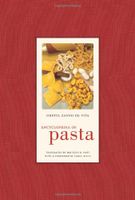
Published 2009
The spread of pasta on Italian tables, as we understand the term today, is relatively modern. Until the years just before and just after World War II, four-fifths of the population of Italy living in the countryside had a diet generically based on plants. Pasta was reserved for feast days, often served in a legume soup. With the economic boom that began in the early 1960s, pasta began to be made daily in rural homes, and these are the formats codified by tradition. At the same time, the emerging urban bourgeoisie were eating pasta every day. On Sunday, they served special pastas, perhaps stuffed, with even more special condiments.