
Advertisement
The Food You Buy: Think Nourishing, Not “Healthy”
Appears in
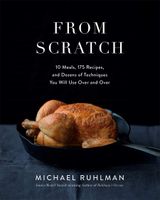
Published 2019
Of course, the quality of the food you buy determines the quality of the food once it’s cooked. As Thomas Keller said to me, “If you have better ingredients than me, you can be a better chef than me.” So buy vegetables at their peak. Organic is best if you don’t mind spending a little more—there’s evidence that the pesticide residue on conventionally grown produce can affect our gut biome, and perhaps other parts of our bodies. And whatever kind of vegetables you choose, buy plenty of them. I know the chapters in this book are heavily meat-centric, but we all need to make vegetables a main part of what we eat. It’s a good thing to keep great and satisfying vegetarian dishes in your repertoire (some vegetable curries, a few pasta dishes) and when you do eat meat, reduce the quantity. Nobody needs 12 ounces/340 grams of steak every night. Buy quality meats and eat them in moderation—4 to 6 ounces/110 to 170 grams is usually an appropriate serving. And buy quality meats, those that were well raised and aren’t loaded with hormones and antibiotics. This is intuitive and should go without saying.