
Advertisement
A Bit of Truffle History
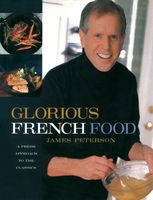
Published 2002
Strangely, truffles were never called for in French cookbooks written before the seventeenth century, but they were described in Platina’s De Honesta Voluptate et Valentudine (On Right Pleasure and Good Health) published (in Latin) in Italy in the fifteenth century. The Italian humanist extols the virtues of North African truffles, which he considers the best, but describes those found in Greece and Syria to be sweeter and those from Olympus the most noble. He makes no mention of French truffles, but says, “The skill of a Norcian sow is wonderful, for she easily finds out where they grow, and ... she sets them down unharmed when her ear is touched by the farmer.” Norcia is still an important Umbrian truffle center, such that black winter truffles from Umbria are often called Norcia truffles. Apicius, a Roman epicure who wrote in the first century A.D, gives a number of recipes for truffles, including several that call for grilling them on skewers and finishing them in various sauces made from sweet wines, honey, pepper, olive oil, and cilantro. In the seventeenth century, French cookbook authors start using fewer of the spices so prevalent in medieval cooking and depend more on herbs and other indigenous ingredients, such as mushrooms and truffles. While truffles were never considered cheap, seventeenth- and eighteenth-century cookbooks call for them with a nonchalance more suggestive of onions than of something rare or expensive. In the beginning of the twentieth century, Escoffier suggests serving truffles as a vegetable—an extravagance that raises even my eyebrows.