
Advertisement
Holidays, Festivals and Observances
Appears in
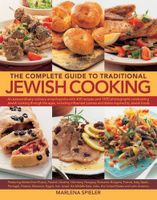
Published 2016
The Jewish calendar is punctuated by holidays, festivals and observances, which are shared by the entire community. Personal milestones in the lives of individuals such as Bar or Bat Mitzvahs, weddings and celebrations attending the birth of a baby are also celebrated. Each festival has a special significance, and is accompanied by its own songs, stories, admonitions, activities, prayers and, of course, foods.
The Jewish year follows the 354–5 day lunar calendar, as opposed to the 365–6 day solar year, so while each Jewish festival falls on precisely the same date in each year of the Jewish calendar, the dates will differ on a Gregorian calendar. For synchronicity, and also to keep the months in their appropriate season, a thirteenth month is added to the Jewish calendar every two or three years. In the northern hemisphere, therefore, Rosh Hashanah will always be celebrated between summer and autumn, while Chanukkah always heralds winter and Pesach ushers in the spring, regardless of how different the actual dates will be on Christian calendars.