
Advertisement
Desserts
Appears in
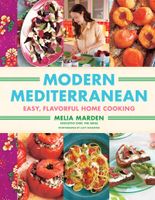
By Melia Marden
Published 2013
I love the implied decadence of dessert. A simple dinner can seem like a feast when finished with a sugary homemade treat. While it obviously wouldn’t be healthy to eat an enormous cake dripping with buttery icing every night, I think it’s perfectly reasonable to indulge in a post-dinner delicacy every once in a while.
I don’t really separate the worlds of savory and sweet cooking. The same principles apply, but to a different palate of flavors. When I’m making dessert, I get to play with the natural acidic sweetness of fresh fruit, the darkly rich taste of brown sugar, and the intensely floral, slightly bitter depth of vanilla beans. Honey is by far my favorite sweet ingredient; as with wine, honey’s flavor varies endlessly depending on the source and the season. The Greek honey I use has a wild and fresh thyme-infused golden flavor, while the honey that I buy from a farm in upstate New York tastes like apple blossoms and caramel. While sugar just adds sweetness to a dish, honey can add a whole dimension of flavors. Rose and orange-blossom waters are also great weapons in your dessert arsenal; they impart an indescribable, ephemeral aroma of far-off places. Made from the oils of pressed blossoms, flower waters are used throughout Middle Eastern and North African cooking, both in sweet and savory dishes. To the Western palate, unaccustomed to consuming anything so floral, they can seem too perfume-y. I use them sparingly—a drop of orange-blossom water to contrast with the bittersweet taste of crushed almonds, an almost undetectable splash of rose water to round out a red-wine-and-tangerine gelatin. Tasting the distillate of fresh flowers on the tongue is almost like inhaling them more intensely; it leaves me with the odd sensation that I’m still chasing a sublime, unattainable flowery flavor.