
Advertisement
Les Catedrals del Vi
The Cathedrals Of Wine

By Frank Camorra and Richard Cornish
Published 2009
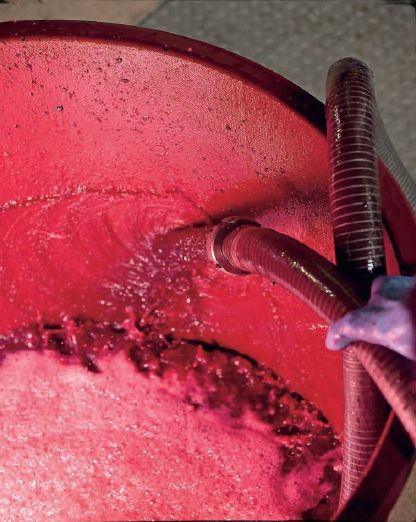
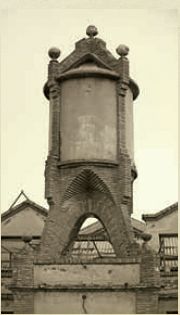
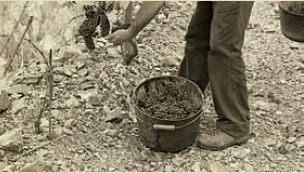
It was vintage time in Falset and old trucks and tiny utes were coming down from the hills, a few plastic crates of grapes in the back of each. They made their way to the rear of the old cooperative buildings in the heart of town, where they unloaded their harvest. The cooperative cellar dates back to the beginning of the 20th century. It was built in the modernist style, but looks like a medieval cathedral made entirely of concrete and brick. Designed by Cèsar Martinell, a disciple of Catalan architect Antoni Gaudí, it and the other buildings he designed around Catalonia are known as ‘the cathedrals of wine’. With great towering vaulted ceilings and shafts of natural light beaming through the narrow windows the cooperative felt like an ancient building — but the flurry of activity with great vats of wine being pumped from tank to tank and the constant flow of farmers and their grapes made it more industrious than holy. One of the managers told me to follow him to the flat roof. It was covered in ancient glass demijohns half full of wine. ‘This is how we make the vi ranci,’ he said. ‘It sits in the sun for six months and over this time it oxidises. We have a system similar to the solera system where old wine is mixed with new wine.’ Although vi ranci translates as ‘rancid wine’, the liquid he showed me was far from it. Oxidised and deep in colour, it was not dissimilar to oloroso sherry, but yet in many ways was quite different. ‘This wine we use for special occasions,’ he explained, lifting up his glass. ‘Salut! ‘