
Advertisement
Macarons
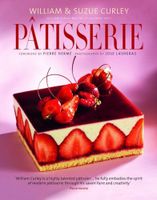
By William Curley and Suzue Curley
Published 2014

Macarons originated in Venice in the 13th century. The Venetians christened the small cakes macerone, which was the Venetian word meaning fine paste. Catherine de’ Medici brought this Venetian delicacy to the French court; it quickly became fashionable within the court and then spread across France, with many cities eventually producing their own special recipe.
The modern popular style of macaron are also known as Parisian Macarons, created by a young French pâtissier called