
Advertisement
Pepper and Passion
Appears in
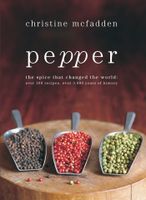
Published 2008
In biblical and medieval days, spices and sex went hand in hand – as they still do in some parts of the world. Spices were regarded as potent aphrodisiacs, and, as such, were an important ingredient in heady perfumes and unguents, and in lotions and potions designed to revive a flagging libido or boost an already vigorous one.
The aphrodisiac effect was based on the doctrine of humours, a theory that formed the basis of medical and philosophical thinking from the days of Hippocrates (460-370BC) until the biological revolution of the seventeenth century. The theory postulated that a healthy body depended on an optimum balance of four humours or body energies: hot, cold, moist and dry. Spices, which were more often found in the apothecary’s shop than the kitchen, were believed to possess the same qualities and could therefore counteract imbalances. The early physicians, who looked on sexual matters as they would any other branch of medicine, dispensed suitable remedies accordingly.