
Advertisement
Persian poetry
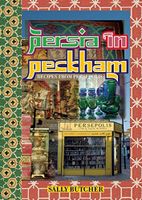
Published 2007
Apart from the fact that I am a girl and most girls dig poetry anyway, the reason that there are so many little snippets of poetry in this book is because the Iranians are widely credited with having invented the stuff. It helps of course that Farsi is such a passionate and expressive language, while even in translation the great works can send shivers of appreciation down the spine.
During those heady, golden years (actually from around AD1000 to 1500) such a volume of equally heady, golden words was produced as to gush over into the literature of countries the world over. Thanks to great Victorian translators such as Fitzgerald, the works of Hafez and Omar Khayam have long been popular in England, and their influence profound. Here, perhaps, a special mention for Hafez (although in truth he was a bit of a lush). He occupies a unique place in the nation’s heart as he wrote a divan – a poetical horoscope – to which people refer even today. The idea is that you ponder your problems and allow his book of verse to fall open, whereupon his lines, properly interpreted, will give you the answer you seek. (I know it sounds like something out of Jackie magazine, but it’s very impressive.) In recent times, Rumi has become the darling of the literati (even Madonna agreed to speak on a recording of his verse), with his touchy-feely, ecstatic poems. But we (as a public at large) still know woefully little about this poetic goldmine. Very few people, for example, have ever heard of Ferdowsi, and yet in Iran he occupies the literary throne held in Britain by