
Advertisement
An Everlasting Syllabub
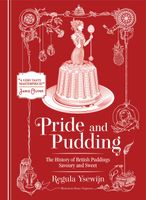
Published 2016
Then the everlasting syllabub became popular: by adding less alcohol to the cream it made a more solid version that would not separate and could be made in advance. It would become the topping of a trifle after Hannah Glasse published her recipe (in The Art of Cookery, Made Plain and Easy, 1747); and
In the early nineteenth century possets and syllabubs start to disappear from recipe books. It would not be until the 1970s that these dishes would get attention again, when Elizabeth David and Jane Grigson wrote about them. Even then it would take a while before the general public was aware of them again.