
Advertisement
Elizabethan Times
Appears in
Published 2016
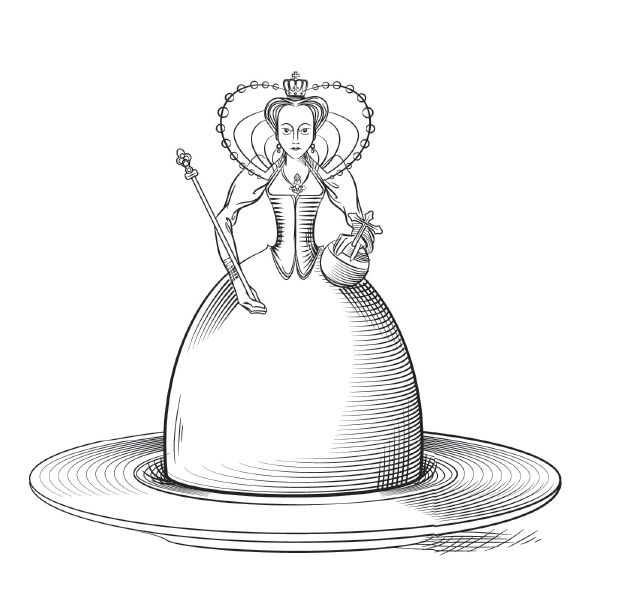
Elizabeth I was said to have such a sweet tooth that by the end of her life her teeth were black. This would have been the case with many of her contemporaries and, curiously, it became a sign of wealth. Highly refined white sugar arrived from the continent in the shape of cones called sugar loaves – these are still produced in Arab countries to the present day. The increase in the use of sugar brought a very big change in the eating habits. Sugar went from being used sparingly, like an expensive spice, to being liberally used in dishes such as sugared flower petals, comfits, and fruit roasted in syrup. Decorations and elaborate ‘subtleties’ made completely out of sugar, were made for the most lavish feasts. Although edible, they would not have been created to be eaten as they were in the thirteenth and fourteenth centuries, they were meant just for show. A whole new profession, that of confectioner, emerged to feed the need for these imposing sugar creations. The term banquet came to stand for both the course itself and the sweetmeats served at it.