
Advertisement
Apples
Appears in

By Abra Berens
Published 2023
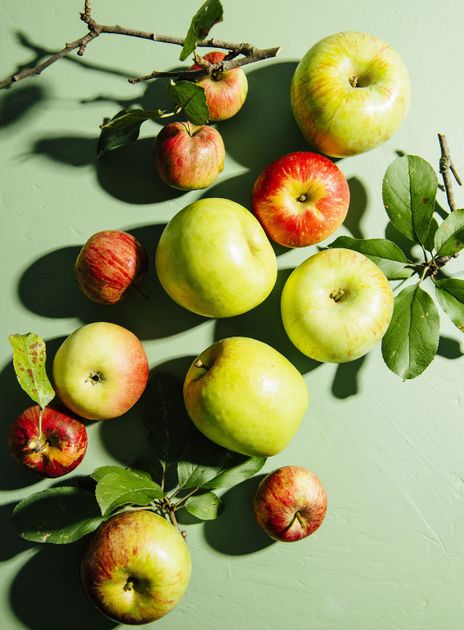
Apples are a great illustration of the difference between farm scale and market. There are 7,500 apple varieties in the world, yet the average grocery store usually has about six varieties on hand year-round. Ironically, this always looks like a diverse array compared to the one type of banana, one type of peach, two types of melon, one type of strawberry, one type of blueberry, and so on. The reason, as far as I’ve learned, is an issue of scale, standardization, and market outlet.
Farms exist in all sizes: from the micro farms that grow on postage stamp–size plots of land in all environments—urban, suburban, and rural gardens—to the mega farms cultivating thousands of acres. Scale.