
Advertisement
Crash Course in cancer nutrition
Appears in
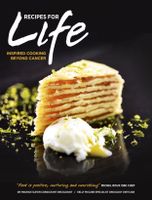
Published 2013
If you have completed treatment for cancer and want to know what to eat now or if you want to reduce your risk of cancer and improve your overall health the simple rules below would set you on the right path. These guidelines have been adapted from the recommendations of the World Cancer Research Fund. All of the recipes in this book have been carefully designed to meet these guidelines.
- If you are overweight try to reach a healthy body mass index (BMI) and reduce your calorie intake to avoid weight gain. Maximise the nutritional value of your food whilst minimising calories by avoiding empty calories that offer no benefit such as those derived from refined sugar and saturated fat. If you are underweight, or would like to recover weight lost during treatment, do this by increasing your intake of nutrient-dense high energy foods such as nuts, avocado, olive oil, dark chocolate, Greek yoghurt and milky puddings.
- Increase your intake of fruits, vegetables, legumes, nuts, seed and wholegrains. Try to include at least two portions of fruits or vegetables in every meal and at least one portion of pulses per day e.g. add a handful of lentils to your soup or salad at lunch, or serve some beans with your evening meal. If you are experiencing changes in bowel habits since your cancer treatment, you may need to modify the fibre content of your diet, for example, by choosing peeled and cooked fruits and vegetables instead of raw, or using nut butters instead of whole nuts and seeds. It is worth seeking specialist advice as some of the recipes in this book may need to be adapted to suit your specific needs.
- Try to limit your red meat intake to once per week and limit salted or smoked meats to no more than once per fortnight. This includes bacon, ham and chorizo. Instead use fish, poultry, pulses, nuts, eggs or low-fat yoghurt as healthy high-protein alternatives.
- Have omega-3 rich oily fish such as salmon, trout, sardines, mackerel, herring and fresh tuna two-three times per week.
- Keep your blood glucose level stable and energy levels high by limiting refined carbohydrates including sugary breakfast cereals, white bread, white pasta, cakes, biscuits or sweets. Instead go for slow-release carbohydrates such as oats, wholegrain pasta, wild rice, quinoa or sweet potato. Try to include a small, handful-sized portion with every meal.
- If overweight, or of a healthy body weight, limit the total amount of fat in your diet by choosing low-fat dairy products, reducing the amount of oil you add during cooking and avoiding fried foods. Instead include smaller amounts of healthy fats found in rapeseed oil, olive oil, nuts and avocado. Only if you are trying to regain weight after treatment should you use full fat varieties of such products.
- Learn to flavour your food with pepper, herbs, spices and citrus juice rather than relying on salt. Remove the salt shaker from your kitchen if possible.
- Minimise your alcohol intake and aim to have at least two consecutive alcohol-free days per week.