
Advertisement
Savory pastries
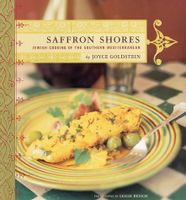
Published 2002
These are labors of love. To make them, the women the family and the extended family worked together as a team. Gathered around a table, they drank tea, chatted, and made dozens of these elegant little pastries for special holidays, weddings, or bar mitzvahs. With more and more women working outside the home, these homemade pastri are becoming a memory. And that is too bad, because they are delicious and can be a family signature creation. Called besteh (from the Spanish pastel, for “pie"), b’stilla, briouats, and brik in North Africa, and sambousak, or sbanik, in Syria, Lebanon, and Iraq, they are symbols of hospitality and celebration. Some are stuffed with spiced meat or chicken. Other pastries are filled with an assortment of cheeses, or greens such as spinach or chard enhanced with pine nuts and raisins or tangy olives. The dough can be a short crust, a yeast-raised dough, flak filo, or a special paper-thin semolina pastry called ouarka in Morocco and malsouka in Tunisi or in French, feuilles de brik, all translating as “leaves” because they are so thin. Some pastries are baked; some are fried for extra crunch.