
Advertisement
Vietnam
By Robert Danhi
Published 2008
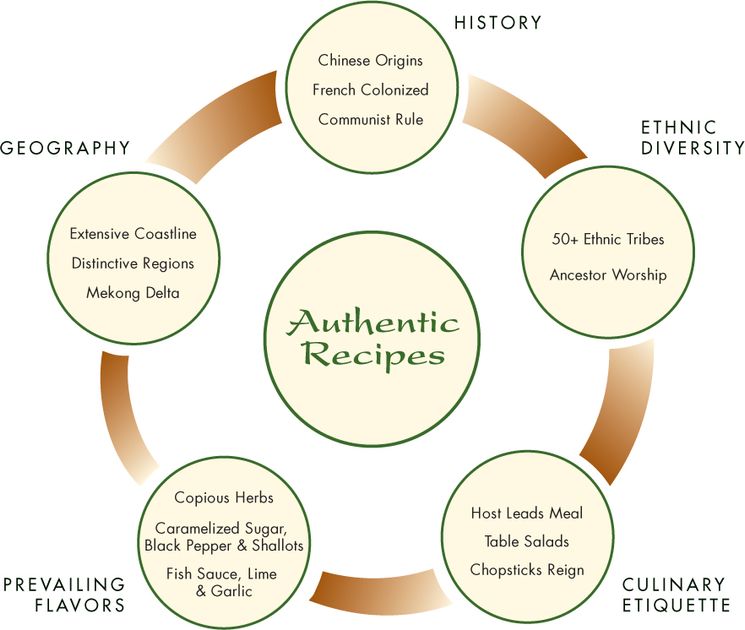
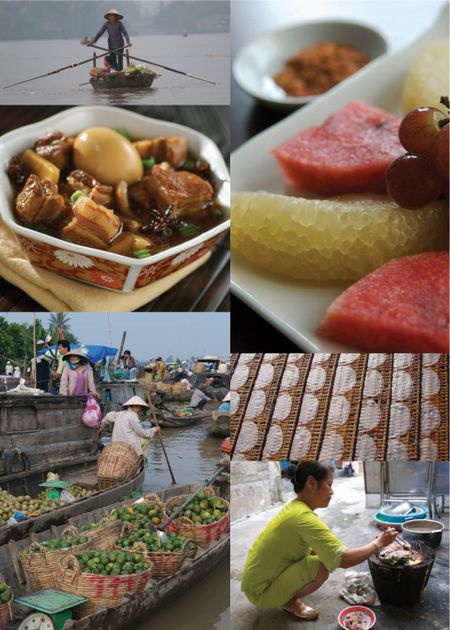
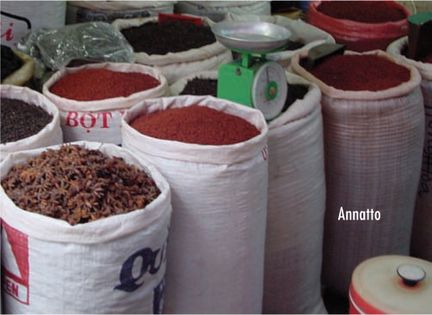
Foods of Vietnam are generally subtler than neighboring cuisines, with less reliance on spice pastes. It’s not so different from a comparison one could make between Japanese cuisine and the geographically adjacent food cultures of Korea and China. Much of the ingredient pantry is the same, yet the way in which cooks manipulate the ingredients and present dishes yields completely different cuisine. As in Japanese food, Vietnamese cuisine does not contain many spicy foods. When Vietnamese foods are spicy, they most often acquire their heat outside of the kitchen. Guests add sliced chilies to soups, dip roasted pork belly in chili-salt, or reach for chili sauce, tương ớt tỏi Việt-Nam, at the table. Contrary to the cuisines of Thailand and Malaysia, the red hue of grilled meats, stews, and fat-speckled soups comes not from chilies, but from flavorless yet colorful annatto seeds. Coconut milk is still part of the pantry but more relegated to sweets than savory dishes. Noodle soup broths are more often clear, not clouded by coconut milk as they are in Thai and Malaysian cooking. But Vietnamese stews do often incorporate the clear and faintly sweet juice from the center of young coconuts.