
Advertisement
Wild Marjoram

Published 1986
Origanum vulgare Marjoram is common in England and Wales, local in Scotland extending to Caithness, and common in southern Ireland. It grows in dry pastures, hedgebanks and scrub, usually on calcareous soil. It is perennial and flowers from July to October.
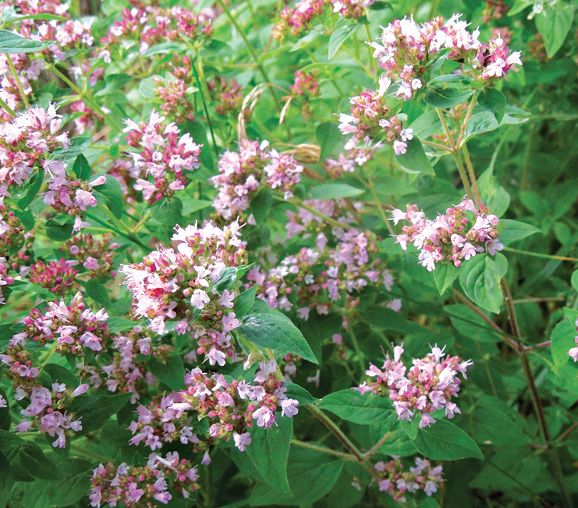
The generic name, Origanum, is derived from the Greek oros, a mountain, and ganos, joy, an allusion to the gay appearance of these plants growing on hillsides. The ancient Greeks believed that marjoram growing on a grave foretold the happiness of the departed soul, while young couples were customarily crowned with the herb. In Kent, marjoram was used to make tea and large quantities gathered for this purpose were hung in the cottages to dry. It has also been used to flavour ale. The old 16th-century Lustgarten der Gesundheit gives a recipe for wild marjoram sugar, the chopped buds and flowers being added to a jar of sugar which then stood in the sun for 24 hours. A small quantity of the sugar taken over a period of two or three days was claimed to cure diseases of the kidneys and eyes. This aromatic sugar is a delicious addition to cakes and desserts.