
Advertisement
Identity, Culture, and Cuisine
Appears in
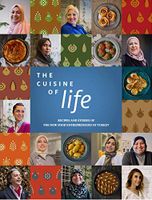
By Center for International Private Enterprise
Published 2019
Translated into English by Burçak Gürün Muraben
It is possible to overcomplicate culinary history with needlessly conflicting stories about the food’s origins. Countries fight fiercely to claim baklava but this dessert existing in varying iterations is not a threat to anyone’s national identity — it is just a dish with different interpretations.
Cultural heritage is the product of geography and the hundreds of civilizations which flourished in it; local ingredients, techniques, and cooking utensils are evidence of a rich culinary history. Regional differences determine the food we eat. Each region has its own special dish, resulting in lore and myth around their creation, but also the people who live in these regions. It’s said, for example, that the best cooks come from Antep. Some argue that you can talk about the cuisine of Tokat, but not Amasya. The locals in Iskilip (a town in central Anatolia, Çorum) might get animated when people say their cuisine is part of Çorum cuisine.