
Advertisement
The Great British Fake Off
Appears in
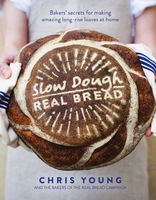
Published 2016
Like the word “bread” itself, the terms “artisan” and “craft” have no legal definition. Anyone can call themselves an artisan or craft baker and market their loaves as such. The production methods used may not be obvious and, in the case of loaves that aren’t pre-packed – such as those from a supermarket in-store “bakery” – you’ll struggle to find whether or not artificial additives have been used.
An allegedly “freshly baked” unwrapped loaf sold by a retailer may have been manufactured a long time ago in a factory far away, then chilled or frozen. Having then been re-baked in a retailer’s “loaf tanning salon” increases the energy consumed in production, and results in a loaf that may well stale faster than a genuinely fresh one. Not that you’d know any of that, so you could be forgiven for making a like-for-like comparison with a loaf of Real Bread from an independent bakery, which helps to sustain more skilled jobs per loaf for local people making genuinely freshly baked bread without the use of artificial additives. Which part of this is fair on you the shopper or a genuine artisan baker?