
Advertisement
Producers and patrons
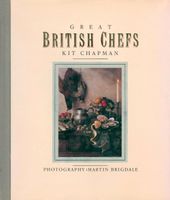
By Kit Chapman
Published 1989
However, the most significant development is the underlying thrust of the modern British menu which has been revolutionized in the past decade. Before 1980, menus tended to be dictated by an establishment’s tried and tested listings on the a la carte. Frozen vegetables were commonplace. Menus today are invariably shorter, change more regularly and will often present meals at a fixed price. Above all, the chef of the Eighties and Nineties is led by the availability of fresh produce and not by his repertoire – a positively life-enhancing side-effect of nouvelle cuisine. The demand for good quality raw materials has grown in harmony with the rebirth of culinary talent and whereas in the past chefs would passively accept the deliveries of their indolent suppliers, the boot is now on the other foot. As a result, Britain has suddenly come alive with producers, growers and merchants who are not only providing us with goods of outstanding quality but who are also tempting us with a vast inventory of new and rediscovered varieties for our pleasure. Rocket, lolla rossa, lamb’s lettuce and oak leaf are brightening up our salads. Fresh herbs are available on a scale unheard of ten years ago. Samphire, calabrese, kohlrabi and Swiss chard have entered into regular usage in the kitchen’s vocabulary. And monkfish,