
Advertisement
A guide to making the most of venison
7 April 2026 · Promotion
In our latest feature, Louisa Clutterbuck from wild venison supplier Lean & Wild offers an introduction to some of the best ways to make the most of this healthy, sustainable and delicious meat. ckbk users in the UK can save 15% when ordering venison from Lean & Wild. For more details of the special offer, see the end of the article.
By Louisa Clutterbuck
Have you ever tried venison?
Venison is the meat from deer. The word venison comes from the Latin venari (“to hunt”), and in medieval times it referred to the meat of any wild animal taken in the hunt, including boar and hare, before narrowing to primarily mean deer.
Today, venison is enjoying a resurgence in the UK as more people look for sustainable, nutritious and ethically sourced alternatives to intensively farmed meat.
The Environmental Impact
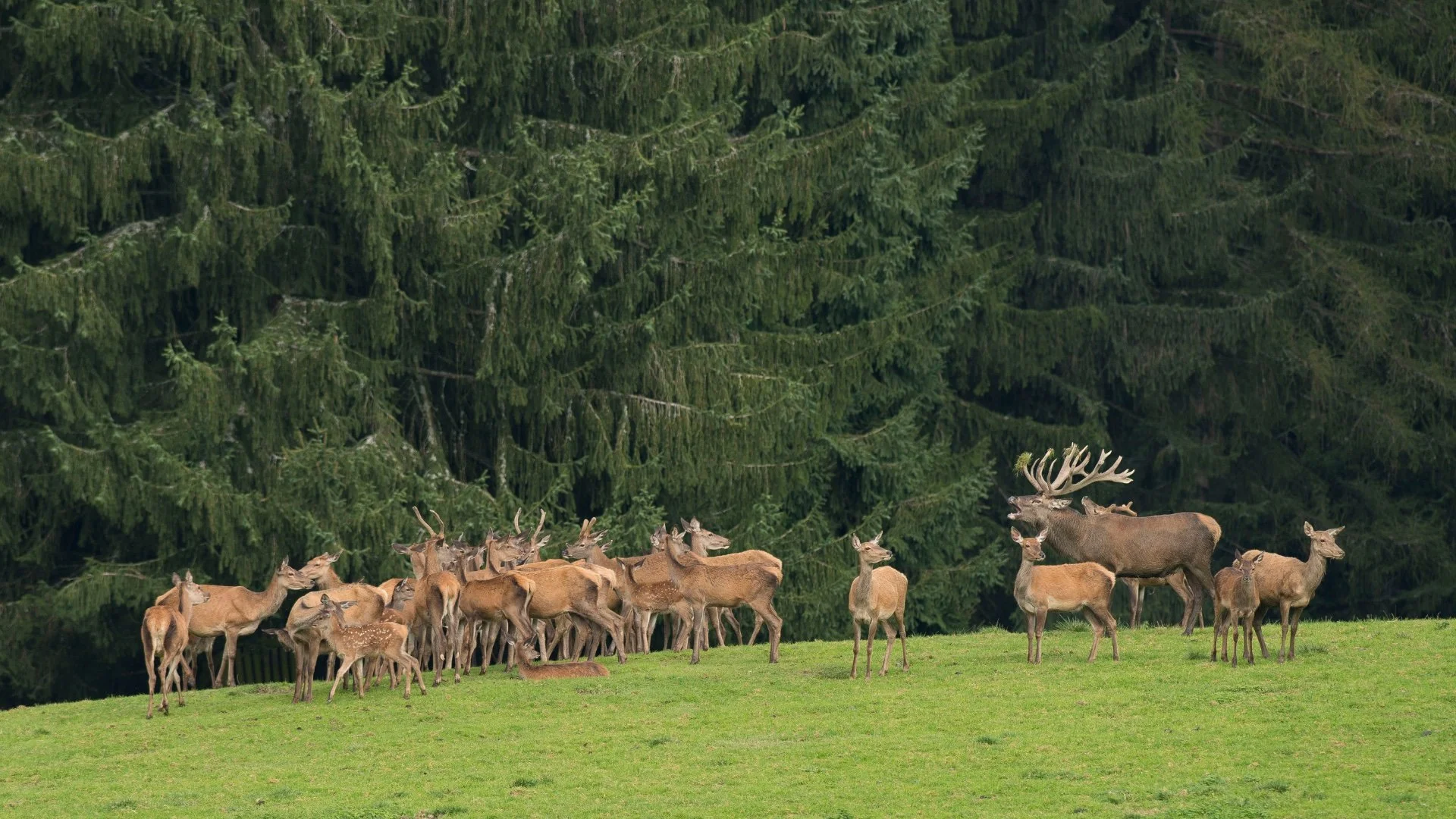
In the UK, there are currently nearly 3 million deer. These are divided into six species: red, roe, muntjac, sika, fallow and Chinese water deer. Only red and roe deer are native; the others are non-native and, as their populations increase, can cause significant environmental damage.
There has been a dramatic decline in woodland bird populations since 1967, largely due to habitat loss, with rising deer numbers a major contributing factor. Deer browsing prevents woodland regeneration by eating saplings and stripping young trees, limiting the natural recovery of forests. As a result, only 11.7% of the UK is woodland compared to a European average of 44%, with high deer densities playing a key role in this imbalance.
There are also an estimated 74,000 deer–vehicle collisions annually in the UK, posing risks to both people and wildlife.
Carefully managed deer populations are therefore essential, and eating wild venison directly supports this process by creating value from necessary population control.
The Nutritional Benefits
Venison is one of the most nutrient-dense meats available. It offers an exceptionally high protein-to-calorie ratio, providing around 43% of your daily protein intake for just over 100 calories.
It is naturally lean, containing around 1.5g of fat per 100g, making it one of the healthiest red meats you can eat. It is also low in cholesterol and rich in essential nutrients, including iron, zinc and B vitamins, which support energy levels, immunity and overall health.
Because wild venison comes from free-ranging animals, it is free from added hormones and is typically lower in saturated fat than intensively farmed meats. It is also a good source of omega-3 fatty acids, particularly when compared to grain-fed livestock. Valentine Warner has created this Venison Salad which makes a very healthy meal or try this Smoked Venison, Feta and Melon Salad which is an explosion of flavours.
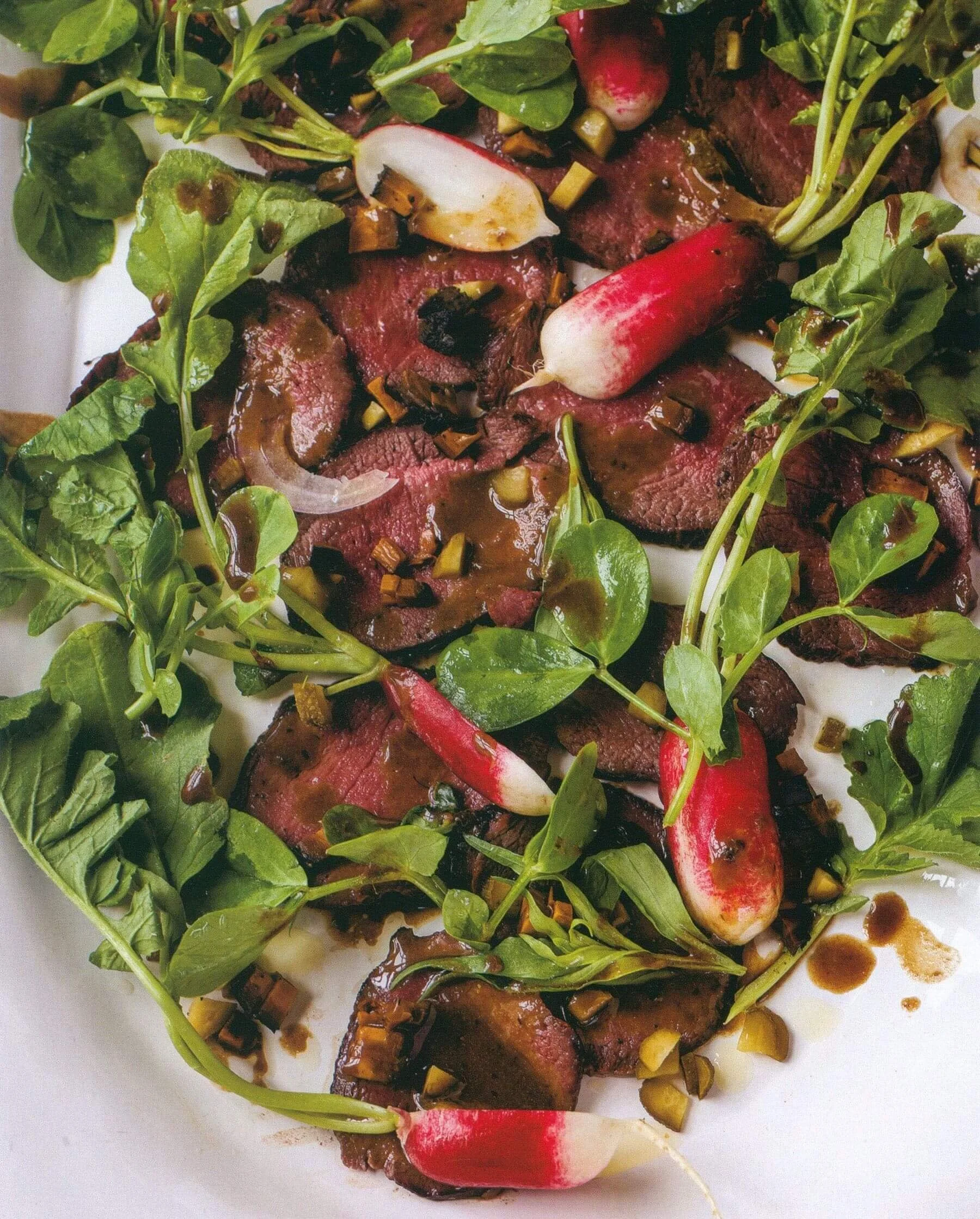
Venison salad from What to Eat Next by Valentine Warner
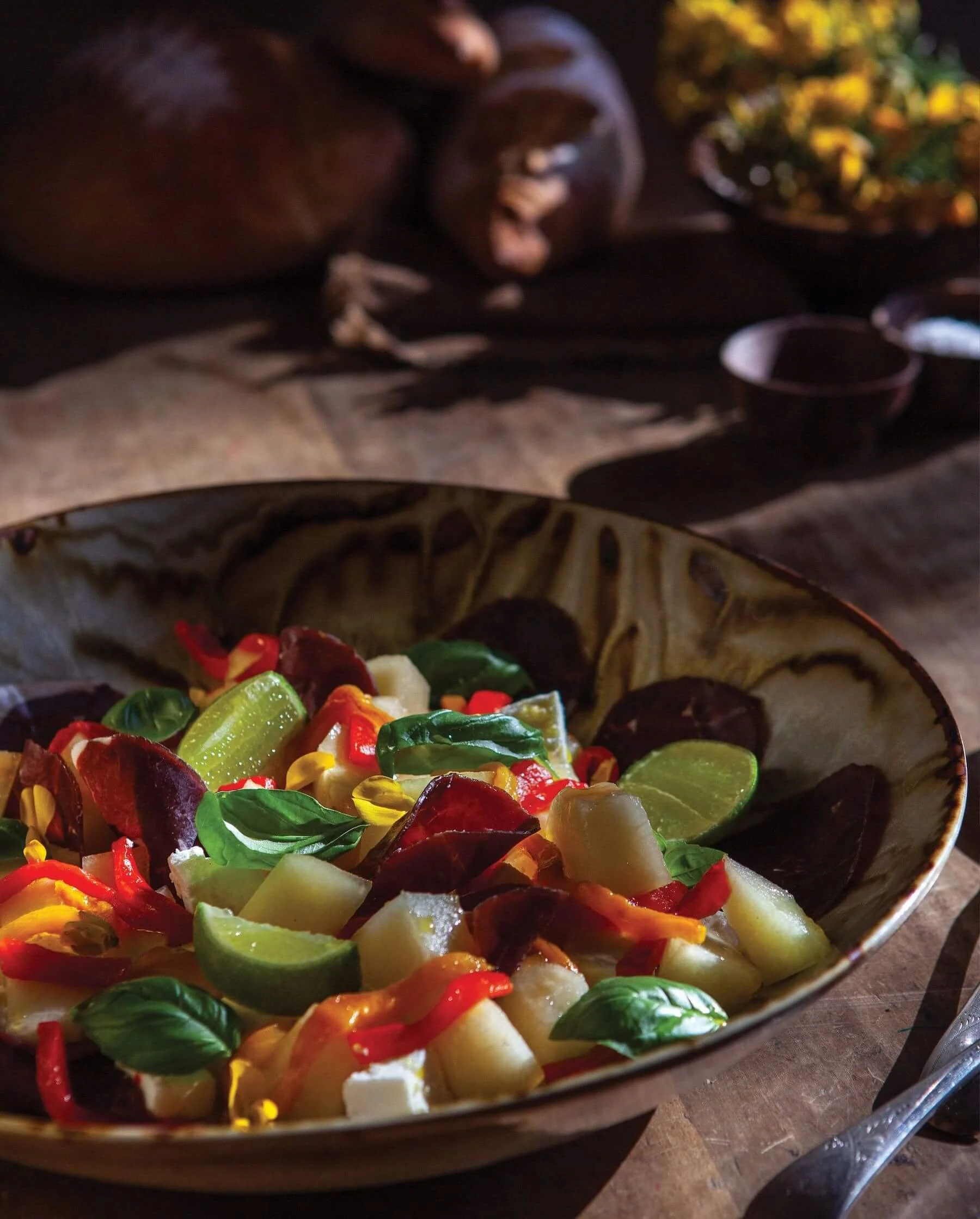
Smoked Venison, Feta and Melon Salad from A Taste of the Highlands by Ghillie Basan
The Carbon Saving
Recent carbon footprint analyses suggest that wild venison has a significantly lower environmental impact than many conventional meats. Wild venison produces approximately 5.6kg CO₂e per kg, compared to around 37.8kg CO₂e per kg for beef.
As wild deer are not farmed, they require no additional feed, fertiliser, antibiotics or intensive land use. The methane they produce would occur naturally regardless of human intervention. When methane is excluded from the calculation, the carbon footprint of venison can fall to as low as 1.1kg CO₂e per kg of meat.
Choosing venison is therefore not just a dietary choice, but an environmental one.
The Taste
Venison has sometimes been associated with a strong, “gamey” flavour. Historically, this was often due to poor handling of carcasses after harvesting. Today, with modern processing and rapid chilling, venison has a much milder, cleaner taste.
Many people find it comparable to beef, but slightly richer and more distinctive. At a recent football stadium event, guests were surprised to find they could not distinguish between beef burgers and Lean & Wild venison burgers. You can try making your own burgers with this recipe by Alison Niven.
Venison is also highly versatile. It can be enjoyed as steaks, slow-cooked in stews, minced into burgers, or roasted for a more traditional meal.
How To Cook It
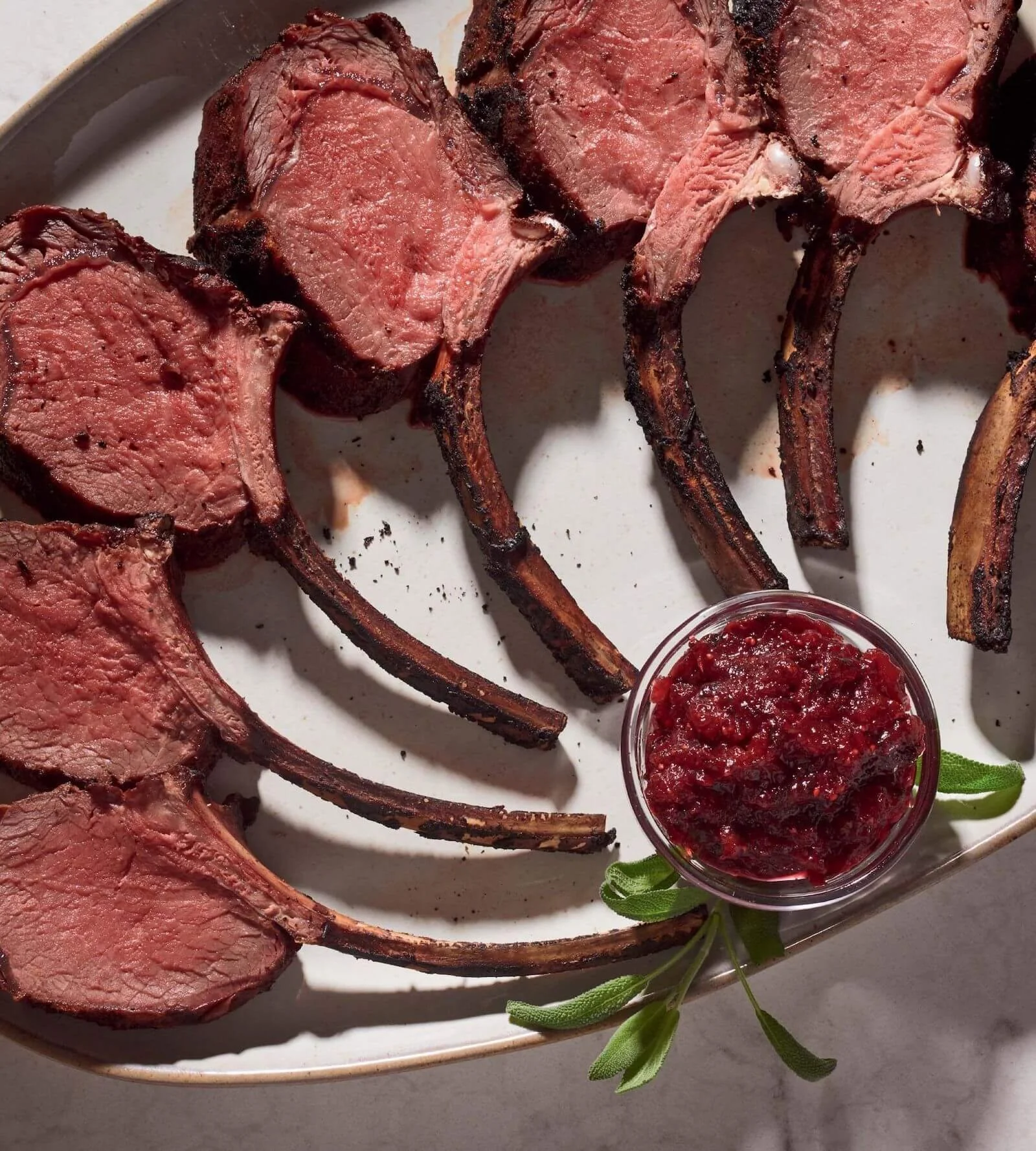
Venison is lean so you need to add fat to it. There are many different ways to cook it; there is the traditional way of pairing it with Christmas and wintery flavours like this rack of Wild Sage and Cranberry Venison from Derek Wolf’s barbecue and grilling title Flavor by Fire, or the Two Fat Ladies’ Medallions of Venison with Bramble Jelly, conjuring real autumnal flavours. For something even more comforting and traditional, try Venison and Ale Pie or a slow-cooked Venison and Red Wine Stew.
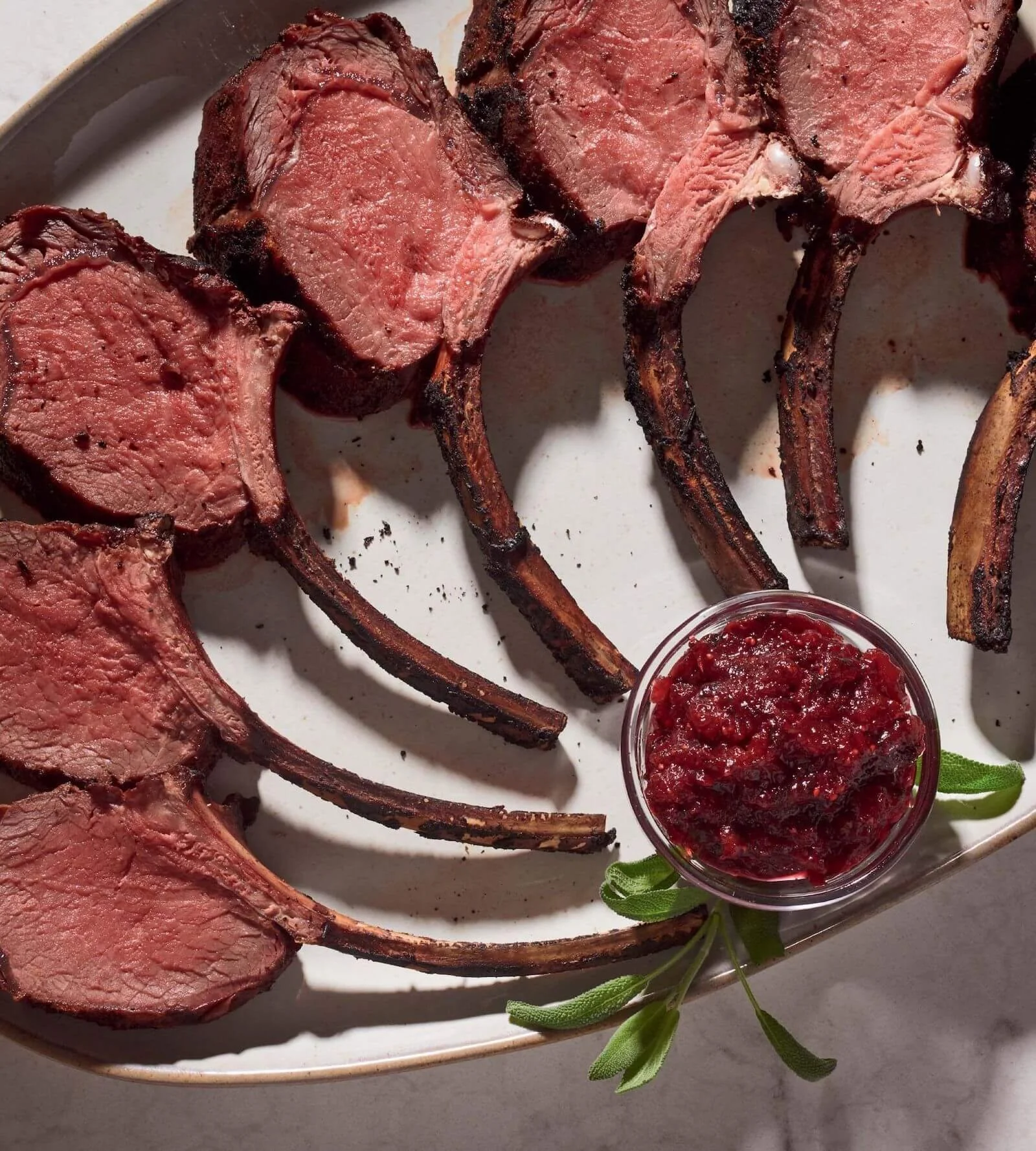
Wild Sage and Cranberry Venison Rack from Flavor by Fire by Derek Wolf
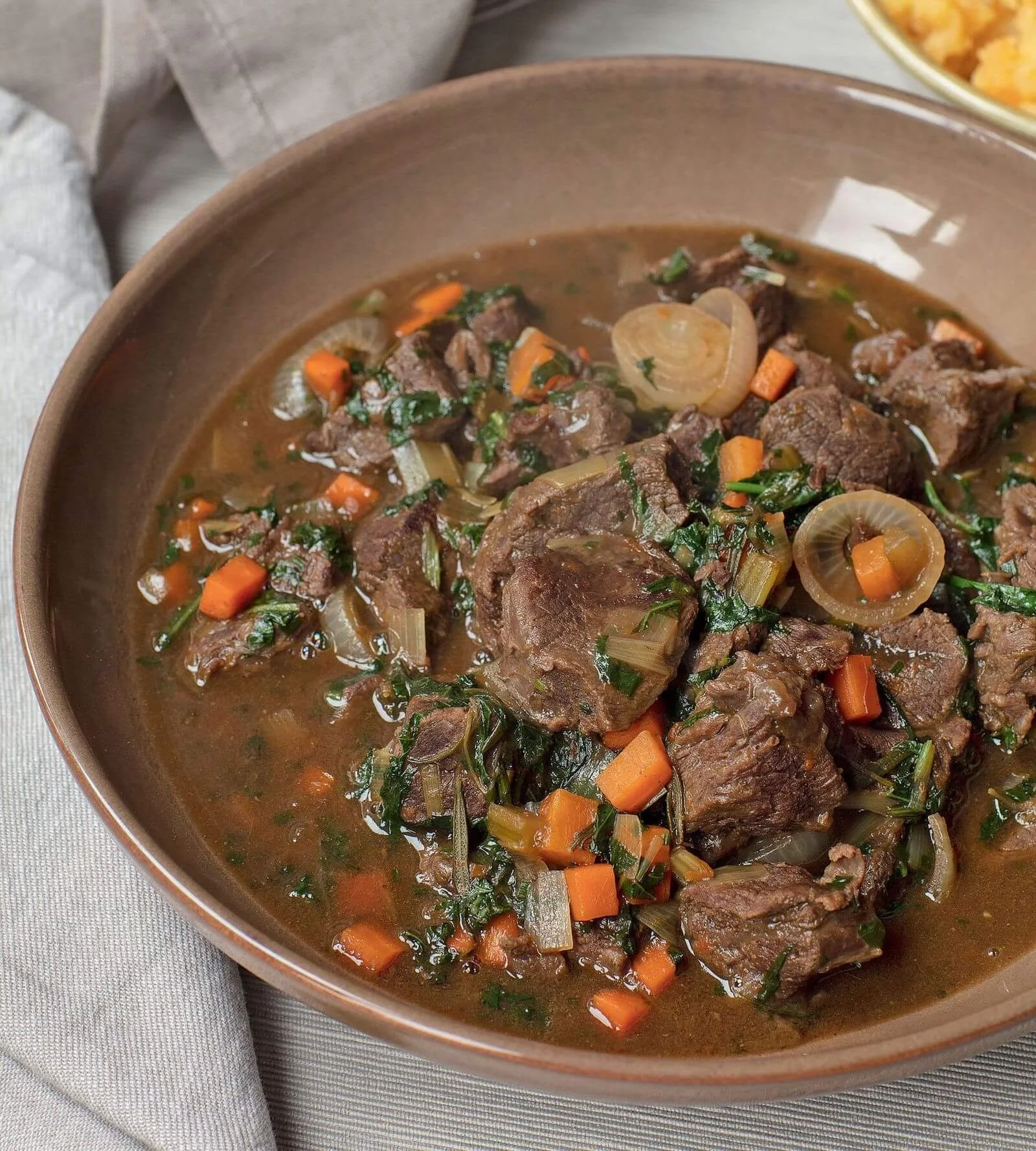
Braised Venison & Red Wine Stew from Gary Maclean's Scottish Kitchen by Gary Maclean
Personally I think venison is better cooked hard and fast or long and slow or even better not cooked at all—Venison Tartare has a much more delicate flavour than its beef counterpart. This high-end version from Australian chef Brent Savage adds a kick from spherified liquid wasabi, but London chef Adam Byatt’s more traditional approach (pictured below) from his book How to Eat In may be more practical in the home kitchen! Venison carpaccio is another good raw option—Ghillie Basan’s recipe uses wild garlic and wood sorrel to really conjure up spring flavours.
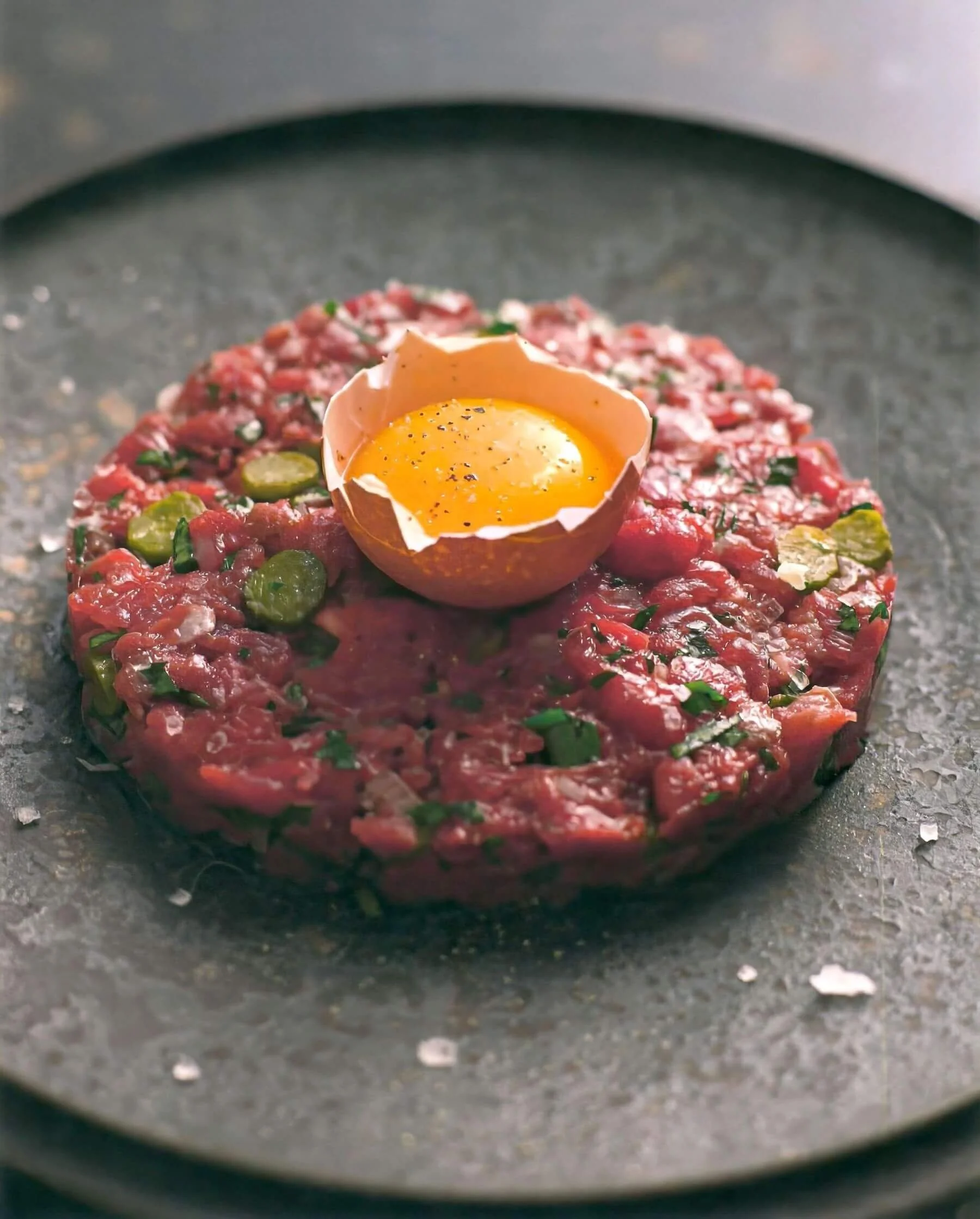
Venison Tartare from How To Eat In by Adam Byatt
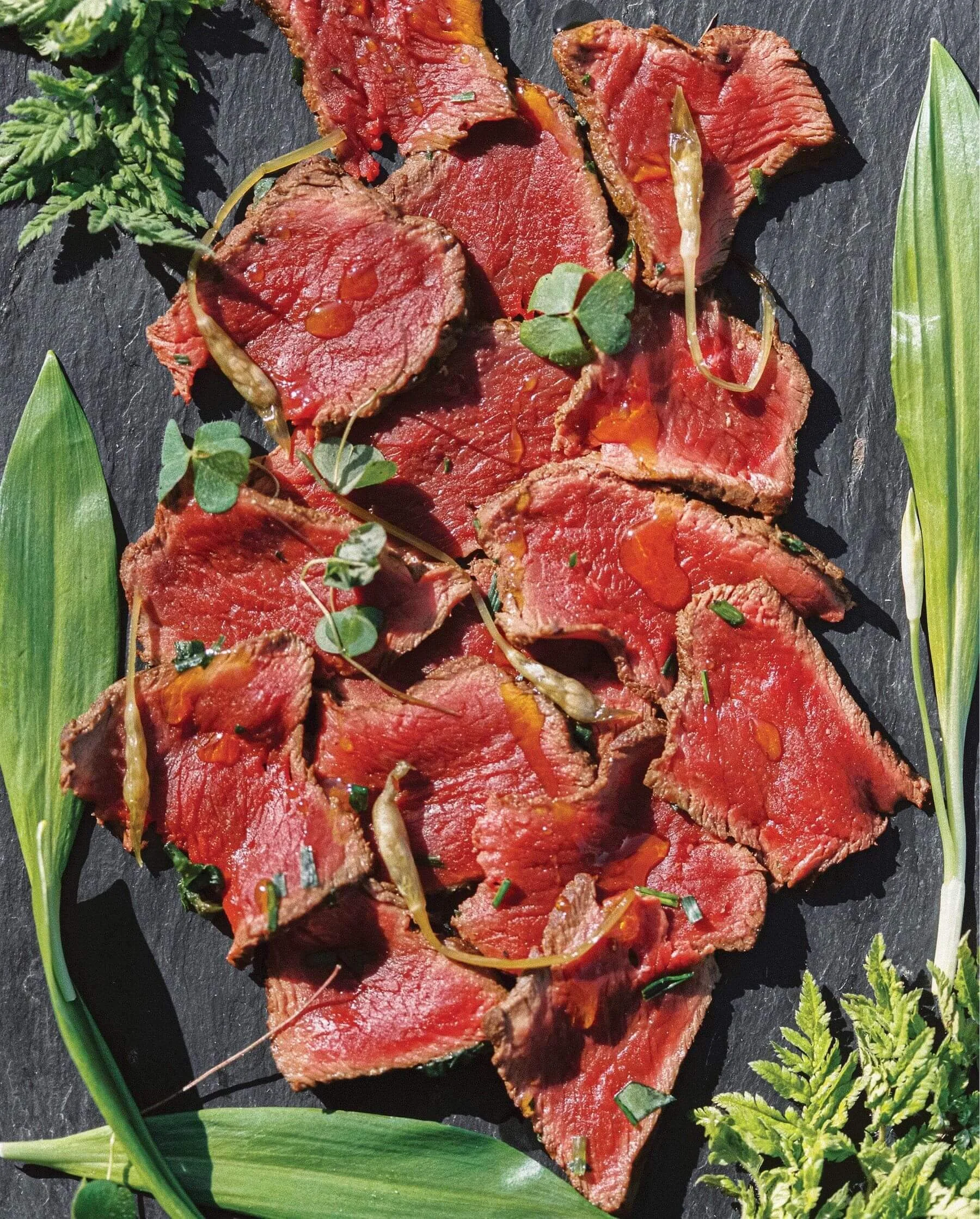
Venison Carpaccio with Wild Garlic and Wood Sorrel from A Taste of the Highlands by Ghillie Basan
If going low and slow then a venison curry or a venison stew are both great ways to try venison for the first time. Venison lends itself to a slow cooker so if you have time on your side that is a good option (or, if you are lucky enough to have an Aga, just put it in the bottom oven for a few hours or even overnight).
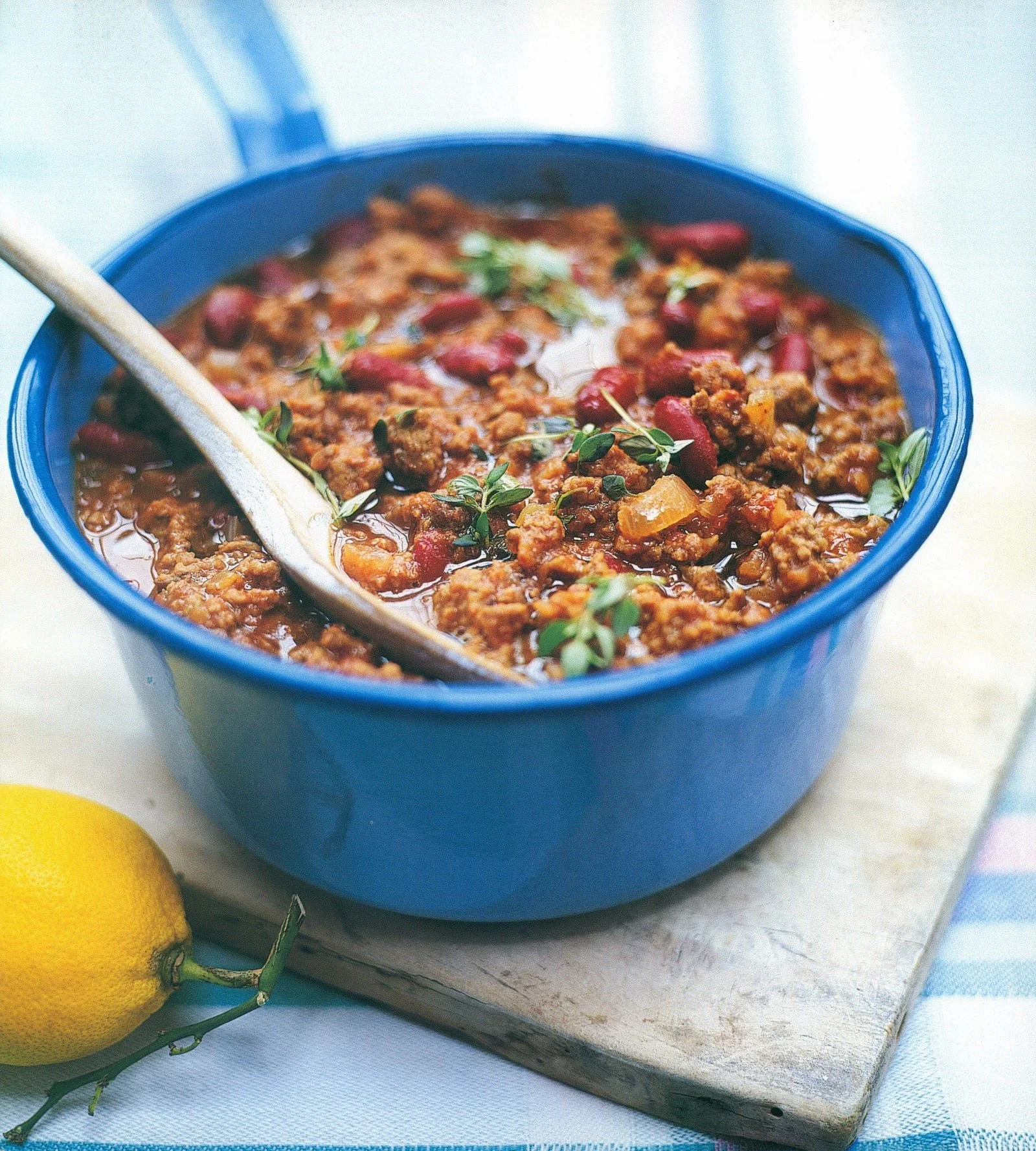
On a weeknight, though, I find it easiest to make a very quick venison mince chilli or a lasagne. Most of the time no one can tell that I am not using beef and I am safe in the knowledge that I have given them the most nutritious meat possible.
Why Choose Wild Venison?
Unlike farmed meat, wild venison is a truly natural product. Deer roam freely, feeding on a varied diet of grasses, herbs and woodland plants—something that not only enhances the flavour of the meat but also reflects a more ethical and sustainable way of producing food.
Choosing wild venison is about more than just what’s on your plate. It supports responsible deer management, helps restore balance in the countryside, protects fragile woodland ecosystems, and reduces our reliance on intensive farming systems.
In a world where the environmental impact of our food matters more than ever, venison offers a simple, natural and sustainable choice—one that benefits both people and the landscape we depend on.
I hope you will give it a try.
Special offer for ckbk users in the UK
Save 15% on your first venison order from Lean & Wild with code CKBK15.
About the author

Louisa Clutterbuck trained at Leiths School of Food and Wine and has spent the past eight years working within the game sector, with a focus on encouraging greater consumption of wild meat. She is currently Chief Growth Officer at Lean & Wild, a venison business dedicated to bringing venison into the mainstream market.
Louisa develops innovative recipes using wild meat for a range of publications and platforms. She is also in the process of writing her first recipe book focused on wild food.
More ckbk features
Chef Clare Coghill shares her love of seasonal local produce from the Isle of Skye

Charlie Cart’s Carolyn Federman with ideas on how to help young cooks build the basic skills they will need
A beginner’s guide to the many and varied types of wild meat, each with their own classic culinary uses
Advertisement