Fresh flavors from an East Asian trio
|
|
|
After the season of plentiful traditional food, and the inevitable downtime over the holidays, what could be better than fresh new flavors to brighten wintery days and enliven your palate. For invigorating tastes, looks to East Asia, with its culinary culture of intense bright flavors and vibrant colors. We have three books newly added to ckbk, bursting with East Asian goodness.
|
|
|
Get started with Korean Cooking Made Easy: Simple Meals in Minutes, for maximum flavor with minimum effort. In her book, Korean chef Soon Young Chung distils decades of experience championing Korean food, both in her native country and subsequently in her adopted home of Australia. The result is a highly accessible guide to Korean food—with an introduction to classic dishes and key ingredients—and a set of tempting, well explained recipes.
|
|
|
|
Journeying further into Japan, The Japanese Kitchen includes over 250 recipes gleaned from Japan’s culinary history, and the country’s modern cooking innovations. Written by sushi chef, restaurant consultant, and cooking instructor Hiroko Shimbo, The Japanese Kitchen is a celebrated classic on the subject, a Food & Wine Magazine’s “best of the best” winner, and an IACP Julia Child Cookbook Award nominee. If you are interested in Japanese food, or simply if you are interested in food, this book is celebrated for a reason. In the author’s words:
|
|
|
|
‘This book was written to demystify the world of Japanese cooking, by providing simple, clear instructions and explanations grounded in basic food science. Once you understand, for example, why tempura batter is prepared in a particular way, why and when fish is salted before grilling, what the salt content of miso is, and exactly what shoyu (soy sauce) is composed of and how it should be treated in cooking, there are no hidden secrets and no barriers to mastering Japanese cooking. Such knowledge allows cooks, with minimal practice, not only to prepare Japanese dishes, but also to successfully incorporate Japanese ingredients and techniques into their own cooking in modern Western kitchens. The result is delicious, nutritious, and attractive Japanese dishes and “borderless” preparations that enlarge the cook’s and the diners’ sphere of culinary experience.’
|
|
|
Pictured above: Noodles with Beef and Sesame from Korean Cooking Made Easy by Soon Young Chung
|
|
Ingredient focus: lemongrass
|
|
|
Lemongrass is a perennial grass of tropical Asia and other warm climates, whose firm stalks release a fragrant lemony flavor when crushed. Although it is possible to use dried lemongrass, the flavor is better from the fresh stalks. The particular bright aromatic taste is now used across the globe, but is a traditional and key flavoring in many Southeast Asian cuisines, pairing particularly well with seafood or chicken.
|
|
|
|
In the West it is likely most familiar in Thai dishes, such as this recipe for Phuket Chicken with Lemongrass Curry or this Sri Lankan Cashew Nut & Lemongrass Curry.
|
|
|
Explore a range of ideas for this wondrous grass in our collection of 12 Ways with Lemongrass. Try Steamed Fish Parcels with Lemongrass, bake new life into an old favorite with this Pineapple, Chili & Lemongrass Tarte Tatin (pictured above), and pour a glass of this Lemongrass and Ginger Rum Cocktail.
|
|
6 of the best vegan dishes
Whether you need inspiration for Veganuary, or are plant-based full time, we could all use some delicious vegan recipes in our lives. Here are 6 of the best. Want more? Explore our collection of Plant-Powered Dinners for Veganuary.
|
|
|
|
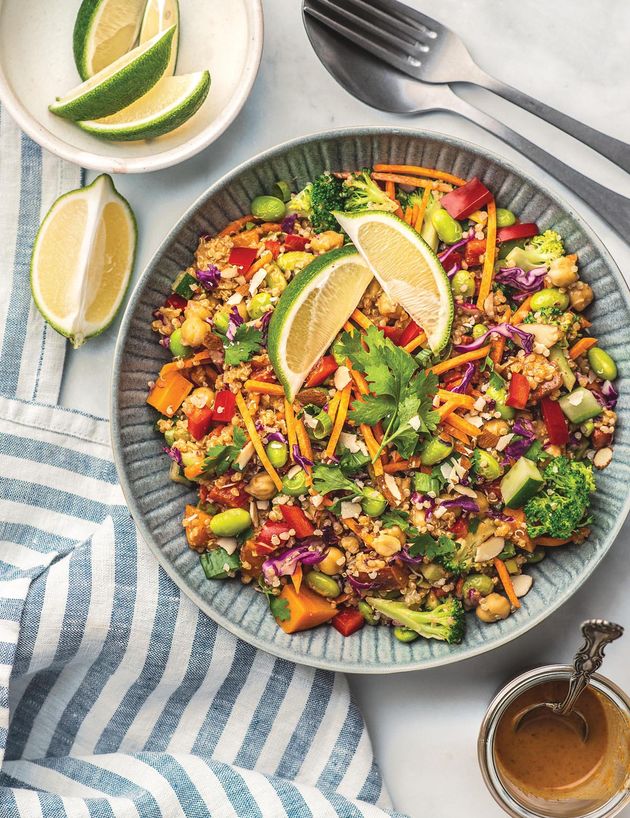
|
|
from The Plant-Based Cookbook: Vegan, Gluten-Free, Oil-Free Recipes for Lifelong Health by Ashley Madden
|
|
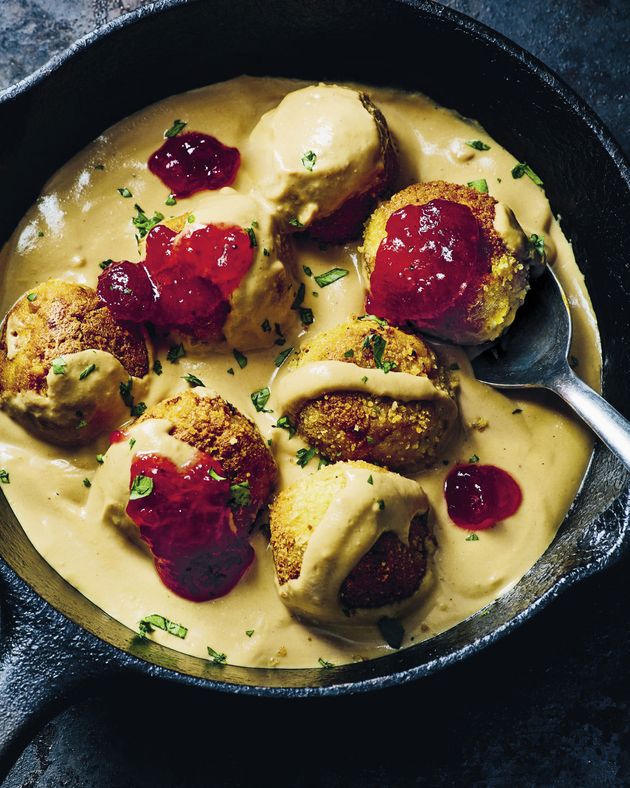
|
|
from I Can Cook Vegan by Isa Chandra Moskowitz
|
|
|
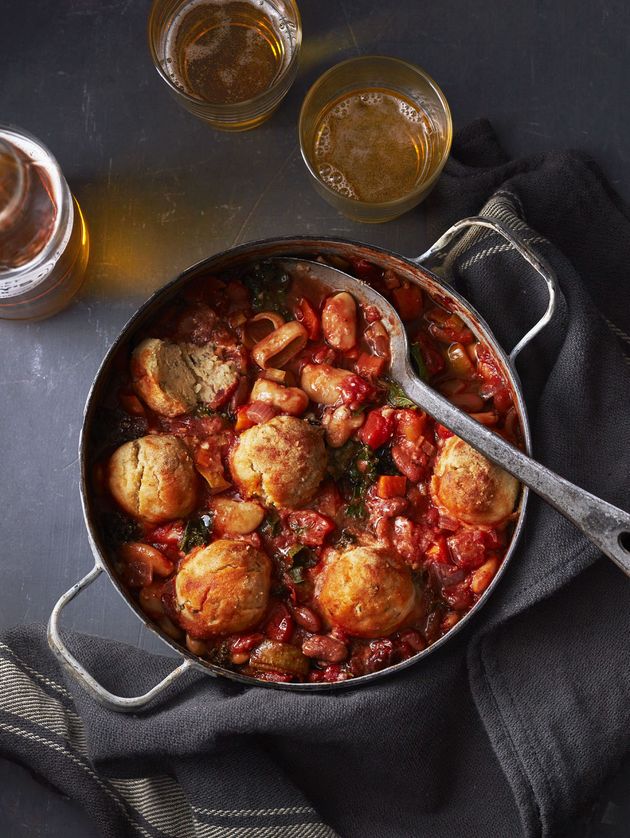
|
|
from Great British Vegan by Aimee Ryan
|
|
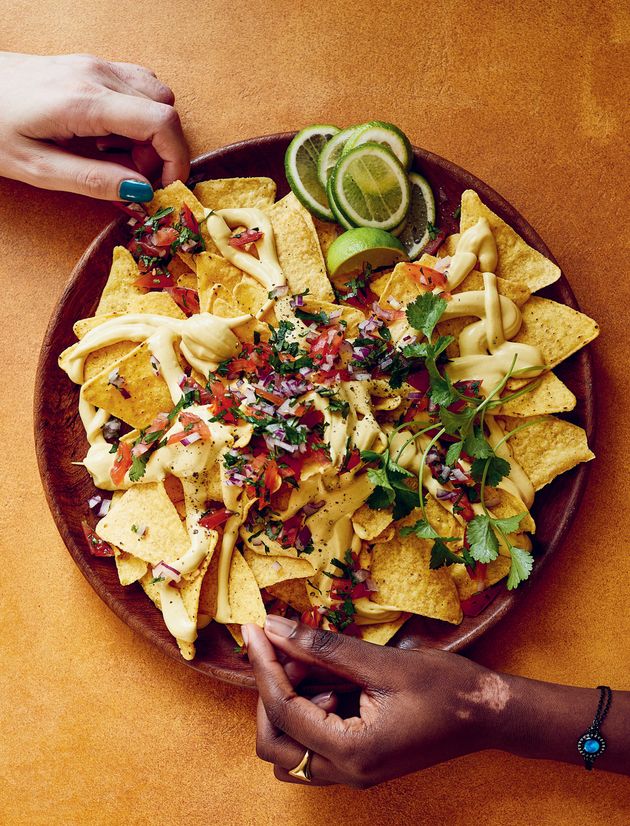
|
|
from We Cook Plants by Sarah Bentley
|
|
|
|
|
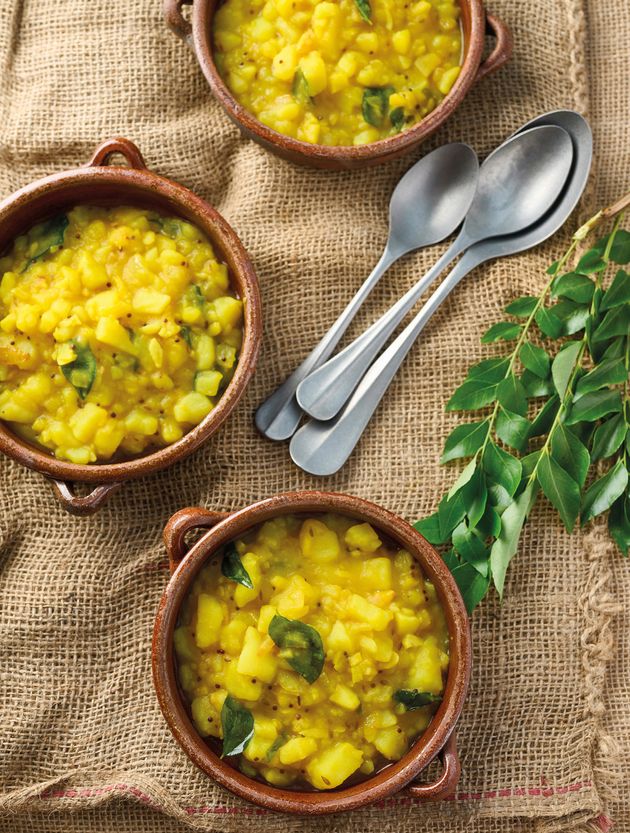
from Seven Kitchens by Torie True
|
|
|
|
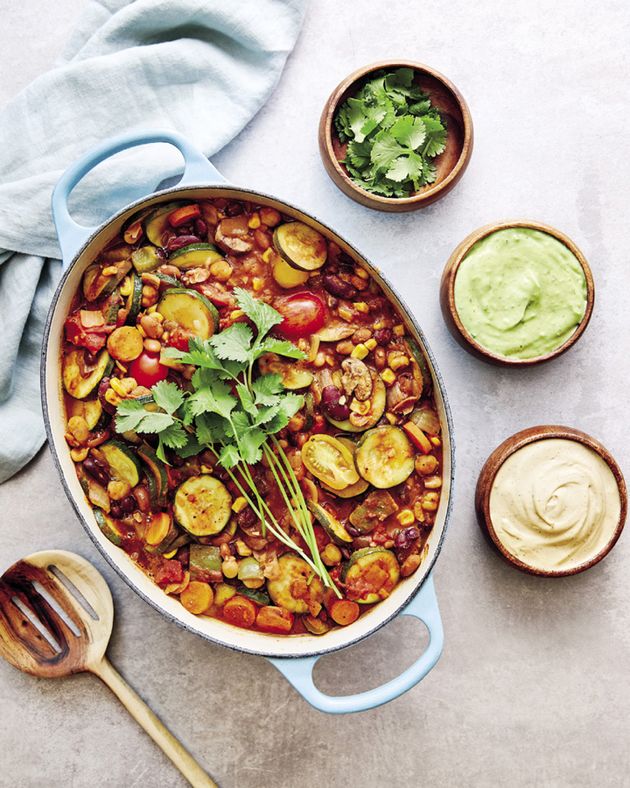
from Pescan: A Feel Good Cookbook by Abbie Cornish and Jacqueline King Schiller
|
|
|
|
|
|
|
|
|
|
|
|


