|
“This book is an invitation to step into kitchens across Egypt with an open heart. Here, food is more than sustenance—it is geography, history and remembrance, expressed through the hands that knead and shape, stir and season. We do not claim to have captured everything: Egypt’s culinary landscape is too vast and alive for that. But the stories and recipes we share offer a window into Egyptian hospitality, where food is an expression of identity, love and connection.” Suzanne Zaidy and Rawah Badrawi
|
|
|
Newly live on ckbk on publication day Egypt: Recipes and Stories from an Ancient Land is a gorgeously written book, an invitation to enter into Egyptian culinary heritage and its home kitchens, explore, try, and savor dishes from one of the world’s oldest civilizations now adapted for the modern cook.
|
|
|
|
Pictured above: Minced Meat Pita Pockets from Egypt: Recipes and Stories from an Ancient Land by Suzanne Zeidy and Rawah Badrawi
|
|
Tales from the Chopping Board: How to be Egyptian Enough
|
|
|
In true celebration of the publication of Egypt, we have a new feature from ckbk user Omar Khafagy, eloquently tracing his own relationship with his Egyptian heritage while growing up in Canada, and the key part food plays in connecting all of us to our full identity.
|
|
|
He writes evocatively about dishes that are familiar, and those that are unexpected and exciting. Writing of the mixtures of influences that form the diaspora experience, Omar references recipes from Suzanne and Rawah’s new book, and across ckbk. He also shows how the depth of content on the site is an invaluable tool in the search for culinary knowledge of all kinds. A beautiful piece about his particular journey, the article has universal resonance.
|
|
|
Fascinating food history for all
|
|
|
October 17 is the second annual Serve it Forth online food history festival—a multicourse banquet of talks from festival curators, food historians and podcasters, Sam Bilton, Dr Neil Buttery, Dr Alessandra Pino, Thomas Ntinas, and Dr Eleanor Barnett. Topics range from the Ancient World—exploring the diets of athletes and gladiators—to the Regency era—with a focus on dining and travel—and many more.
|
|
|
|
To read about the festival, and for a special side order—each of the curators has shared insights into a favorite historical tome from ckbk’s extensive food history resource—take a look at our feature, Serve it Forth: An Online Festival of Food History. If you are unable to watch the festival live, ticket holders can view the events after October 17.
|
|
|
The fig tree is a descendent of a wild tree, and the bulb-shaped fruit is actually a structure containing almost 1,500 tiny fruits, which are normally thought of as the seeds. Cultivated first in Egypt or Arabia probably between 4000 and 2700 BC—figs have been found on early wall paintings and have been eaten both fresh and dried since Roman times.
|
|
|
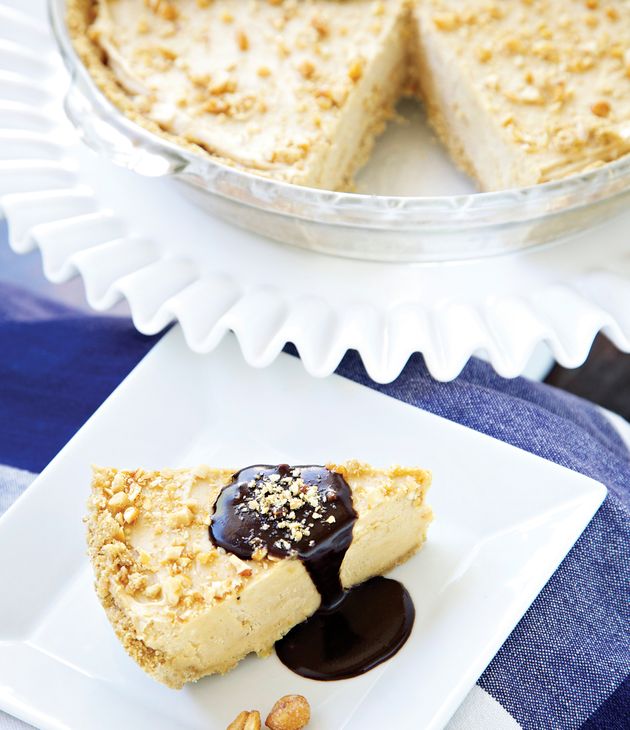
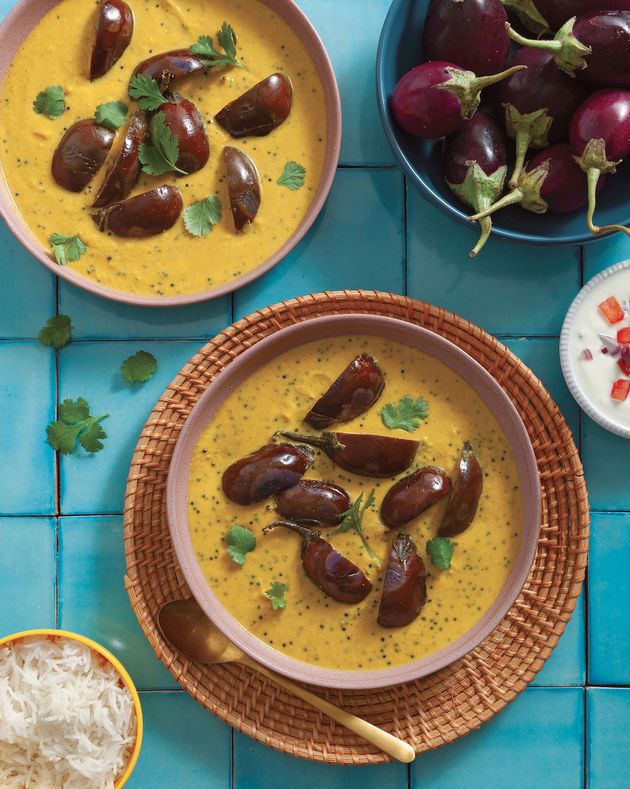
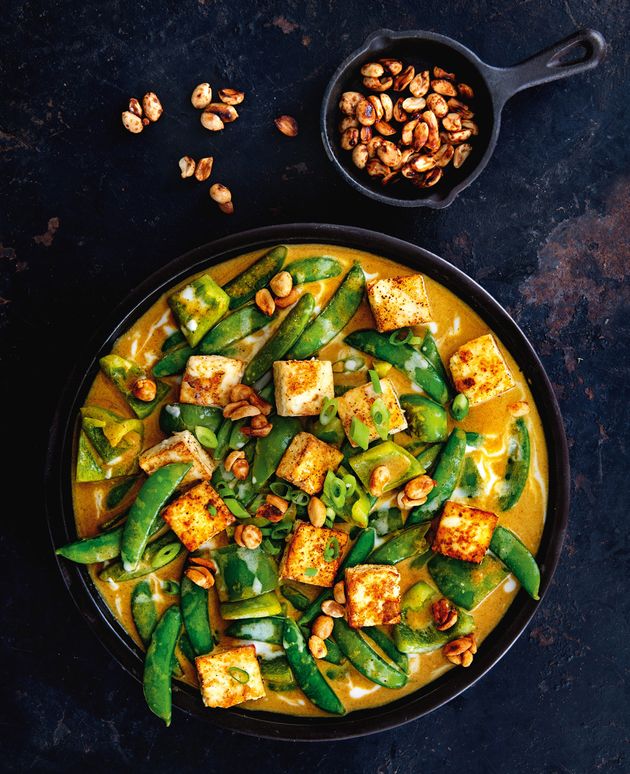
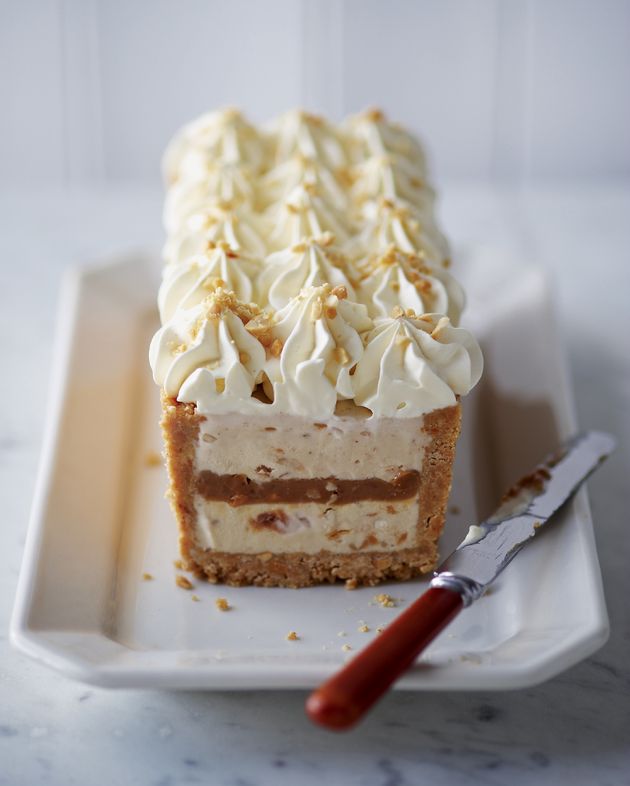
6 of the best peanut recipes
Always popular, endlessly versatile, the peanut is at home in all corners of the kitchen. Sweet or savory, here's to the peanut!
|
|
|
|
|
|
from Smoke & Spice by Cheryl Alters Jamison and Bill Jamison
|
|
|
|
from Everyday Indian by Archana Doshi
|
|
|
|
|
from Vibrant Vegetables by Janneke Philippi
|
|
|
|
from No-Bake Cakes & Treats by Hannah Miles
|
|
|
|
|
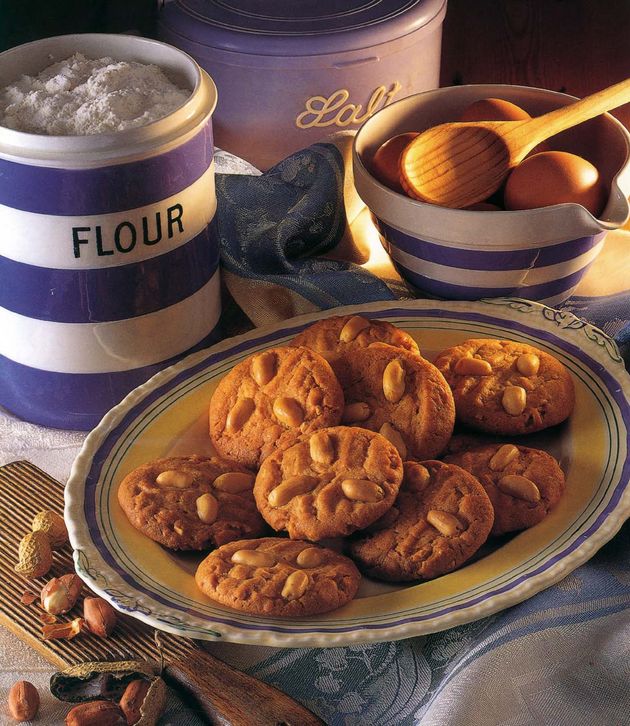
from Cookies by Le Cordon Bleu
|
|
|
|
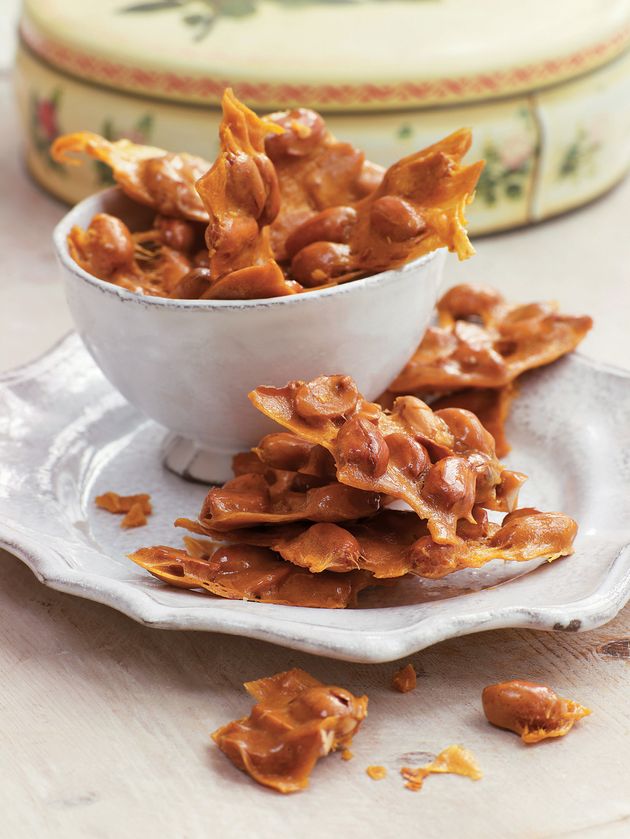
from Home-made Sweets & Candies by Claire Ptak
|
|
|
|
|
|
|
|
|
|
|
|


