
Advertisement
Serve it forth: an online festival of food history
4 September 2026 · Event
Saturday 17th October 2026 will see the second annual edition of the Serve it Forth online festival of food history. Food history is a key part of ckbk’s offering, with the website including cookbooks from every era, and many books devoted to the subject of food history. Below, the team behind Serve it Forth share some of their personal favorite historic cookbooks from ckbk’s collection.
UPDATE: ckbk users can save 15% on tickets for the online festival using code CKBK10 at checkout
Serve It Forth is a familiar refrain found at the end of old recipes, so it’s an apt name for an online festival celebrating the deliciousness of food history.
Curated by food historians and podcasters Sam Bilton (Comfortably Hungry), Dr Neil Buttery (British Food History), Thom Ntinas (Delicious Legacy) and Dr Alessandra Pino (A Curious Appetite), Serve It Forth makes food history accessible to all in an entertaining and fascinating manner. Through a series of hour long ‘courses’ this year’s festival on Saturday, 17 October 2026 explores the medieval food introduced by the Normans; the diets of gladiators and athletes in ancient Greece; travel and dining in the Regency era and celebrates the England’s love affair with the anchovy. There will also be a special guest appearance by food historian Dr Eleanor Barnett. If you can’t attend the sessions live, recordings will be available to ticket holders to watch at their leisure after the event. More information on the ‘Bill of Fare’ is available at the Serve It Forth website.
Food history cookbooks recommended by the curators
As food historians, the curators of this new festival spend a lot of their time looking at old cookbooks. Fortunately, ckbk (which is sponsoring this year’s event) makes their job a lot easier with stacks of historic recipes to choose from. Books like Cooking Apicius by Sally Grainger; The Accomplisht Cook by Robert May or Pride and Pudding by Regula Ysewijn provide endless inspiration. Here are just a few of the curator’s favourite texts.

Sam Bilton

Dr Neil Buttery

Thom Ntinas

Dr Alessandra Pino
Sam’s Choice: Cooking and Dining in Medieval England by Peter Brears
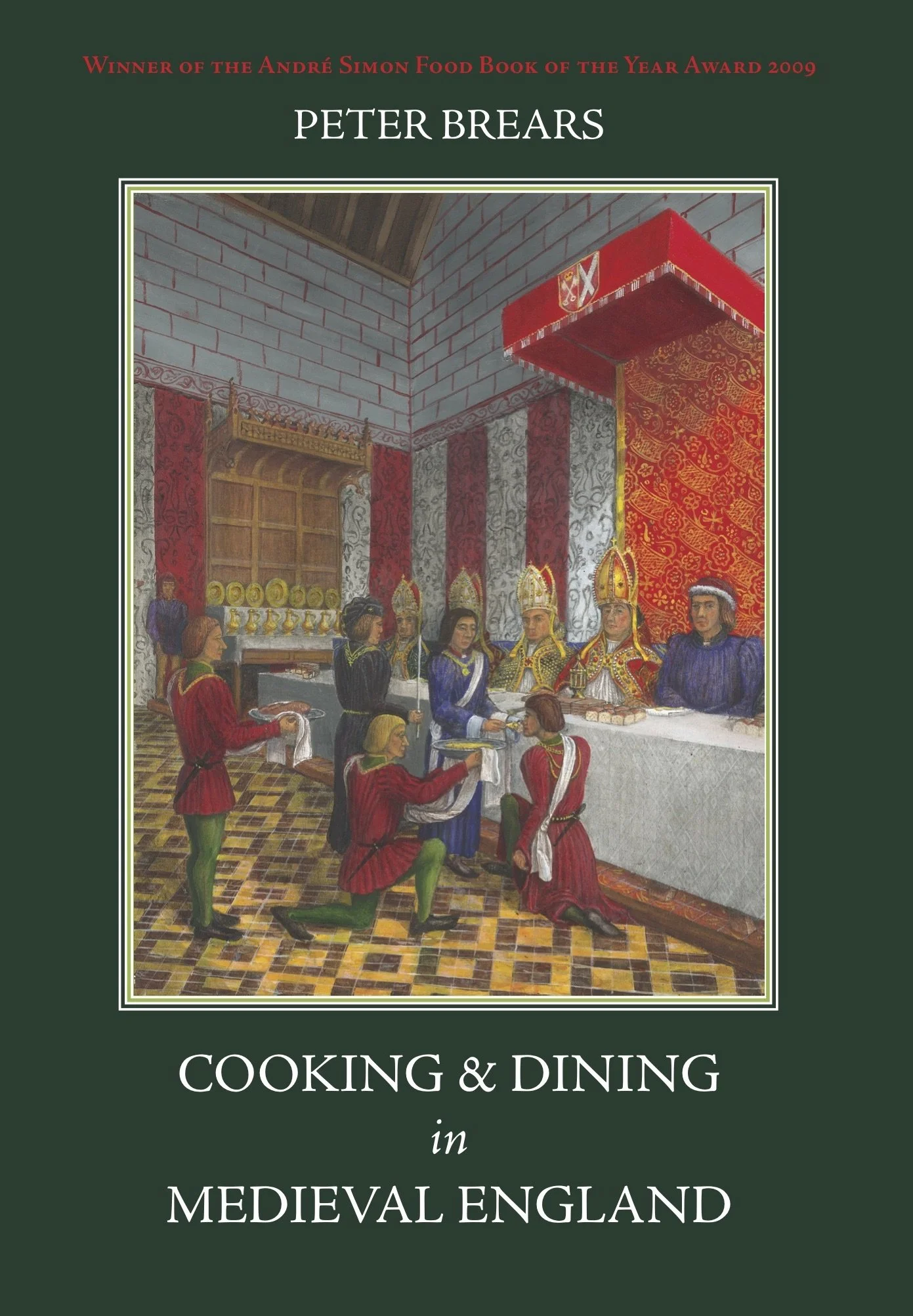
One of the challenges for the food historian is deciphering old recipes to make them workable today. The further back you go, the less information you are likely to get. There are rarely precise measurements, limited instructions and definitely no cooking temperatures. This is why books like Cooking and Dining in Medieval England are so insightful. Peter has painstakingly examined medieval manuscripts like the Forme of Cury, believed to have been written around 1390 by the cooks of Richard II, to produce recipes that can be replicated in the modern kitchen. So, if you fancy trying your hand at making a coffyn (a medieval term for a pie), Pomme Dorryse (roasted pork meatballs shaped like apples, coated in a saffron coloured batter) or a jug of hippocras (spiced wine), you’ll find the recipes here. And if you’re still unsure about dipping your toe into the historical cooking pond, ckbk is a fabulous way to test the water.
Neil’s Choice: Good Things in England by Florence White
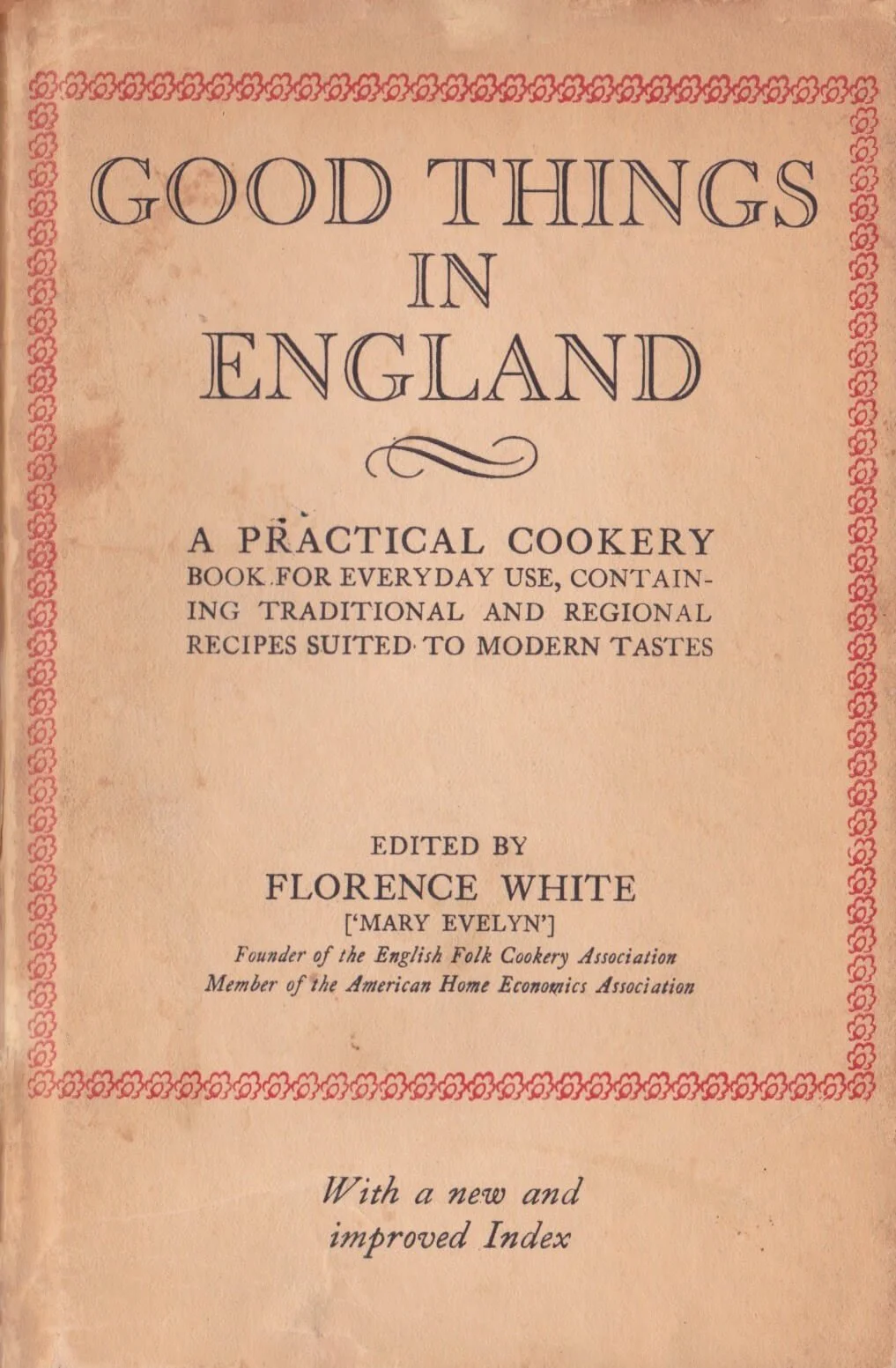
A stone-cold classic if ever there was one. Florence White put together this wonderful collection of recipes in the 1930s, for fear that our food traditions were being eroded. Her work was necessary, and the message was immediate: English food is important. She formed the English Folk Cookery Association in 1928 and collected over 800 recipes. Some were classics, but most were regional specialities almost lost to England’s cultural memory. All recipes were made equal too, and each is given its own pedestal. The English love of the anchovy, for example, is reflected in a chapter devoted to the savoury, featuring largely forgotten recipes like Scotch Woodcock, Mock Caviar and Elizabeth Raffald’s recipe for cheesy anchovy toast splendidly entitled To Make a Nice Whet Before Dinner. As White herself wrote for her book: ‘There isn’t another book like it – but I never consider it mine. It is England’s.’
Thom’s Choice: A New Book of Middle Eastern Food by Claudia Roden
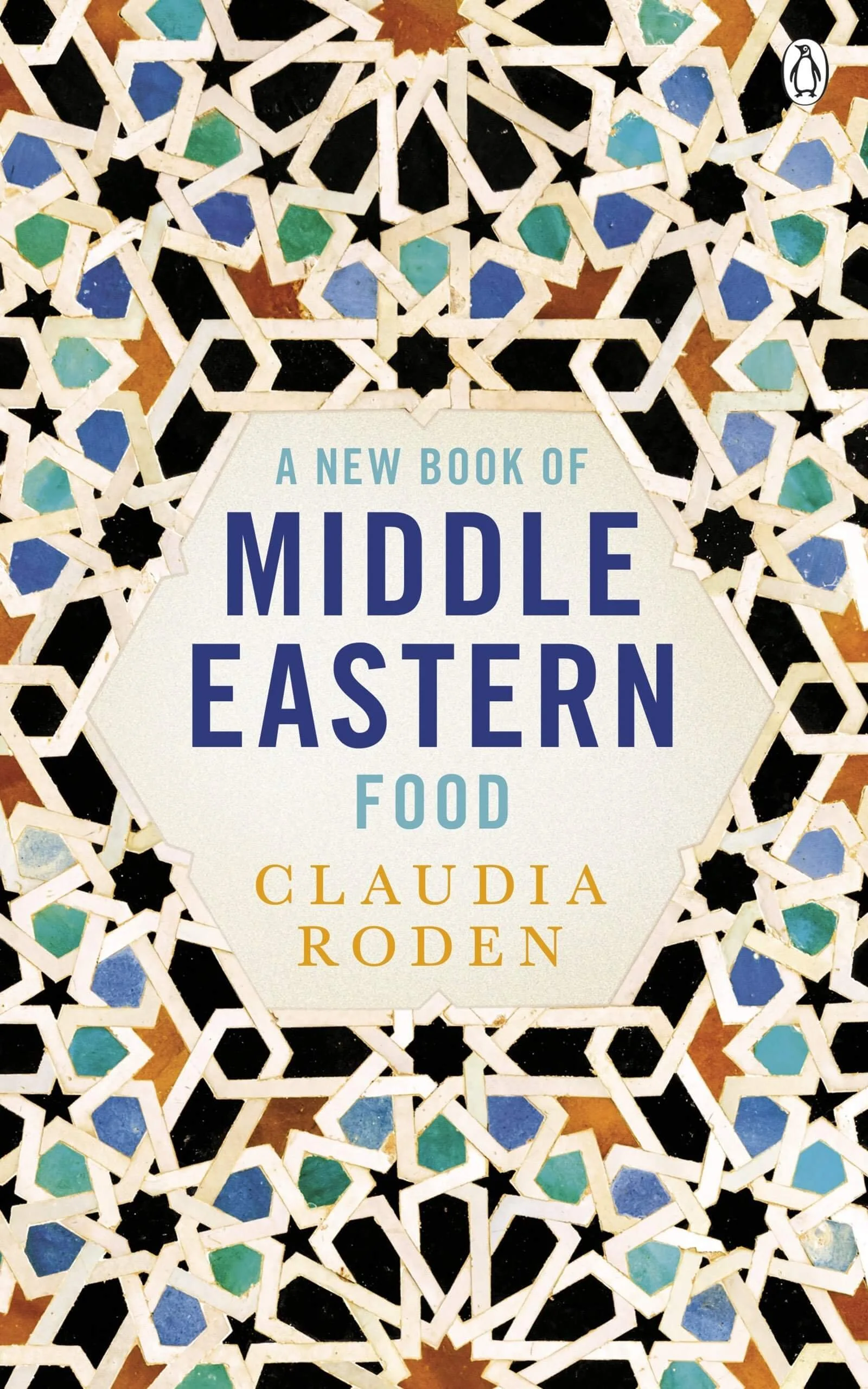
The complex history of the rise and fall of empires, revolutions, exiled people and mass movements in the Balkans, Anatolia and the Middle East is part of my identity and culture. This cookbook uses recipes to collect people’s memories, telling stories big and small. It makes me - and indeed everyone who reads it—have a heartfelt sense of connection to food with dishes that bring us together and are not constrained by modern and arbitrary national borders. Claudia’s personal stories become part of my own past and present, as her effortless anecdotal style is both scholarly and familiar. In my mind the dishes have an uncertain duality; they feel a little different from what I am used to, as a northern Greek, but are also extremely close to my palette. The recipes provide a sense of the history, complexity, hospitality and traditions that are important to many millions of people across a vast geographic region. A meze selection of baba ganoush, fried cheese like kefalotyri or haloumi, and fried mussels are three of the recipes that I’d make from her book to welcome any strangers to my home!
Allie’s Choice: The Curious Cookbook by Peter Ross
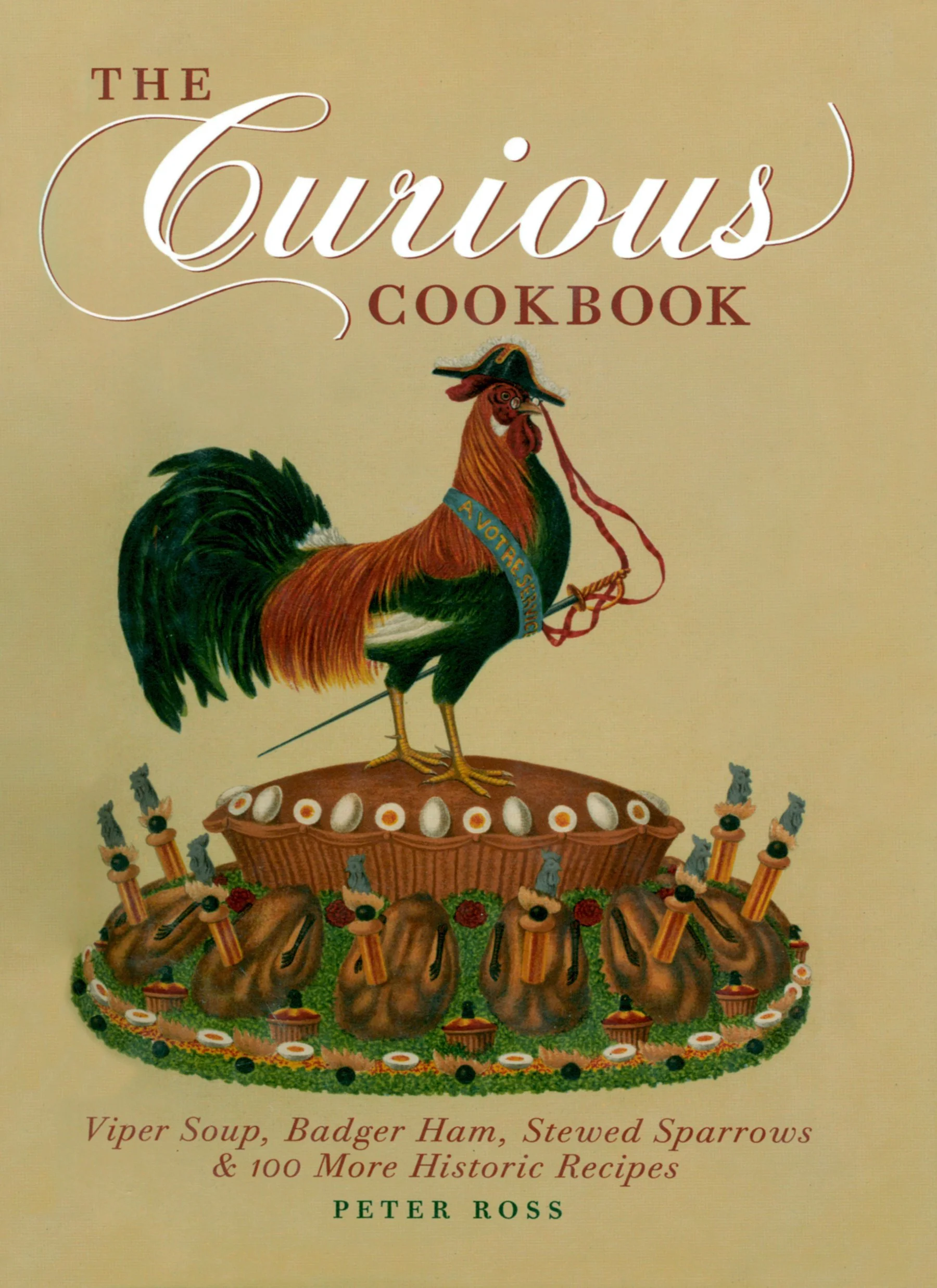
I’m particularly drawn to the recipe for A Barrel of Tripe to Take to the East Indies, originally published in Hannah Glasse’s The Art of Cookery Made Plain and Easy in 1747, and featured in The Curious Cookbook. I love it partly because of its wonderfully improbable specificity: of all the foods one might think essential enough to survive a long sea voyage, a barrel of tripe is surely among the more unexpected. Yet behind the oddity is a fascinating glimpse of eighteenth-century food history. The recipe is essentially a piece of preservation technology, packing fresh tripe into a sealed cask with strong brine, vinegar, rosemary and allspice, with the strength of the salt solution tested by floating an egg in it. More importantly, it connects the domestic cookbook to Britain’s expanding imperial presence overseas. Food, recipes and ingredients certainly travelled in both directions, but this was hardly a neutral exchange: those movements took place within the unequal structures of colonial expansion. The recipe therefore captures something much larger than preserved offal, revealing how British eating habits, expectations and appetites travelled alongside empire.
Tickets for Serve It Forth on 17th October are available to buy here. ckbk userd can save 15% using the code CKBK10 at checkout
More ckbk features
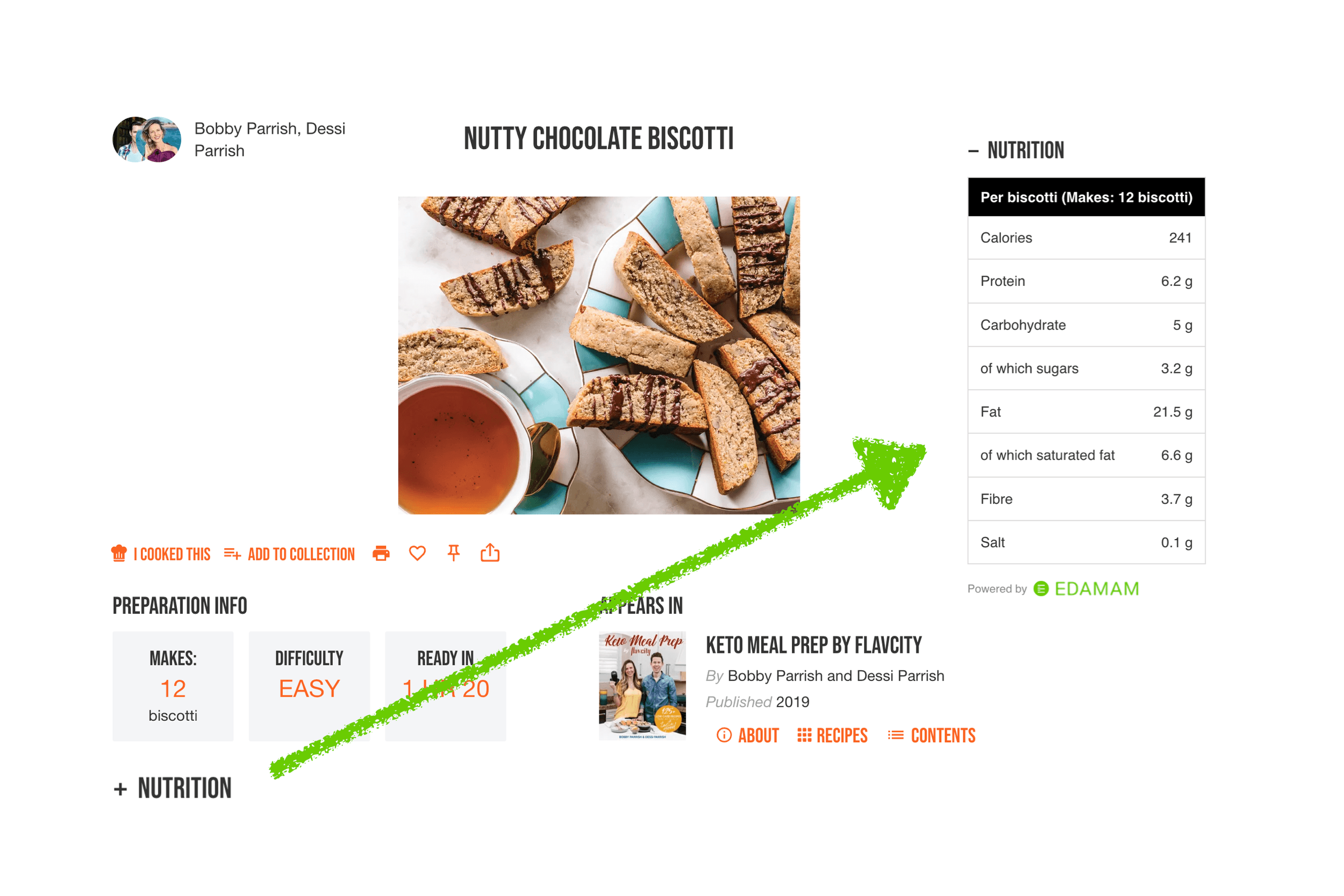
See nutritional information for any recipe on ckbk and make use of additional diet filters
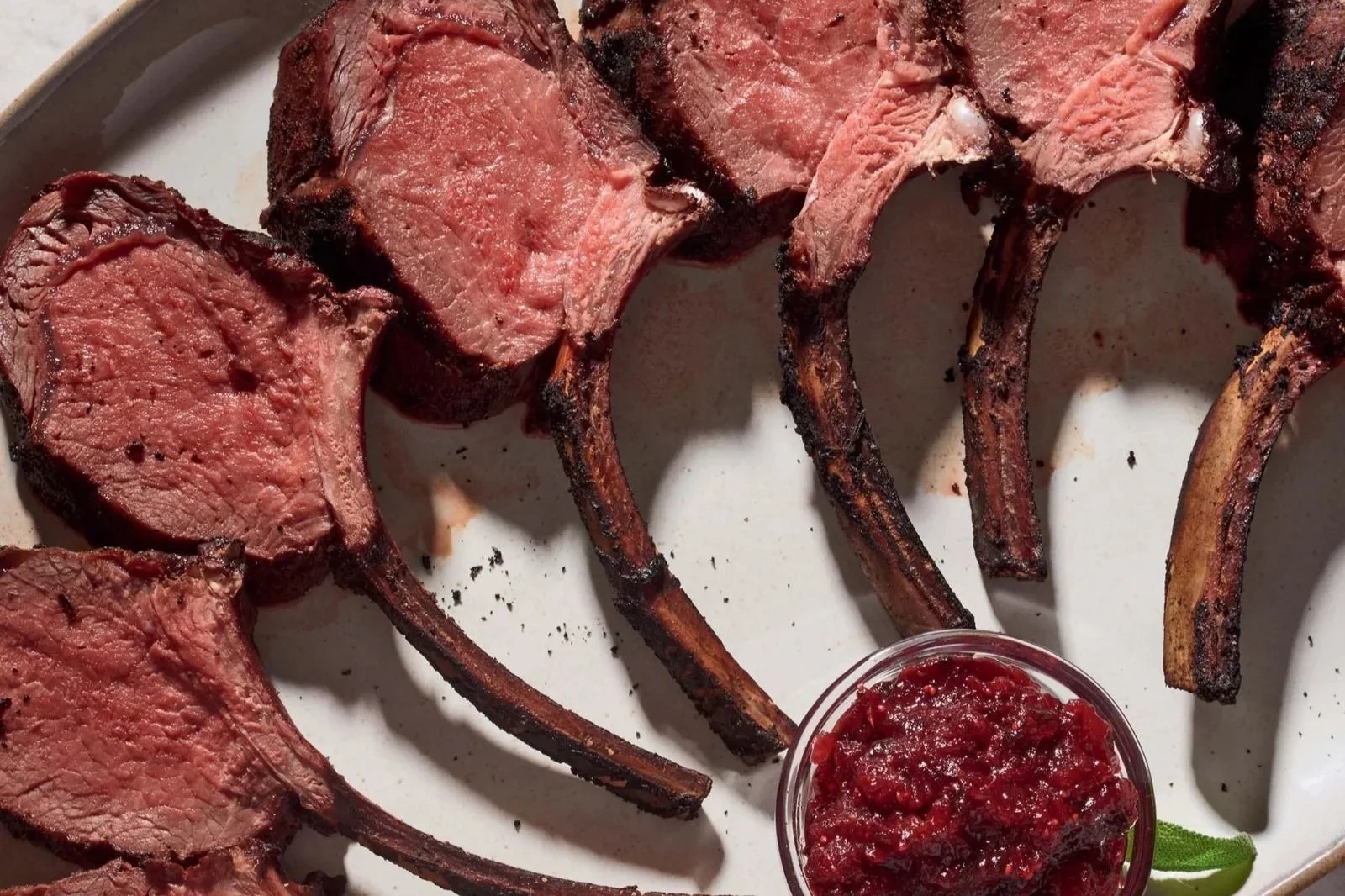
A lean, healthy and tasty option, wild venison offers everything a cook could wish for
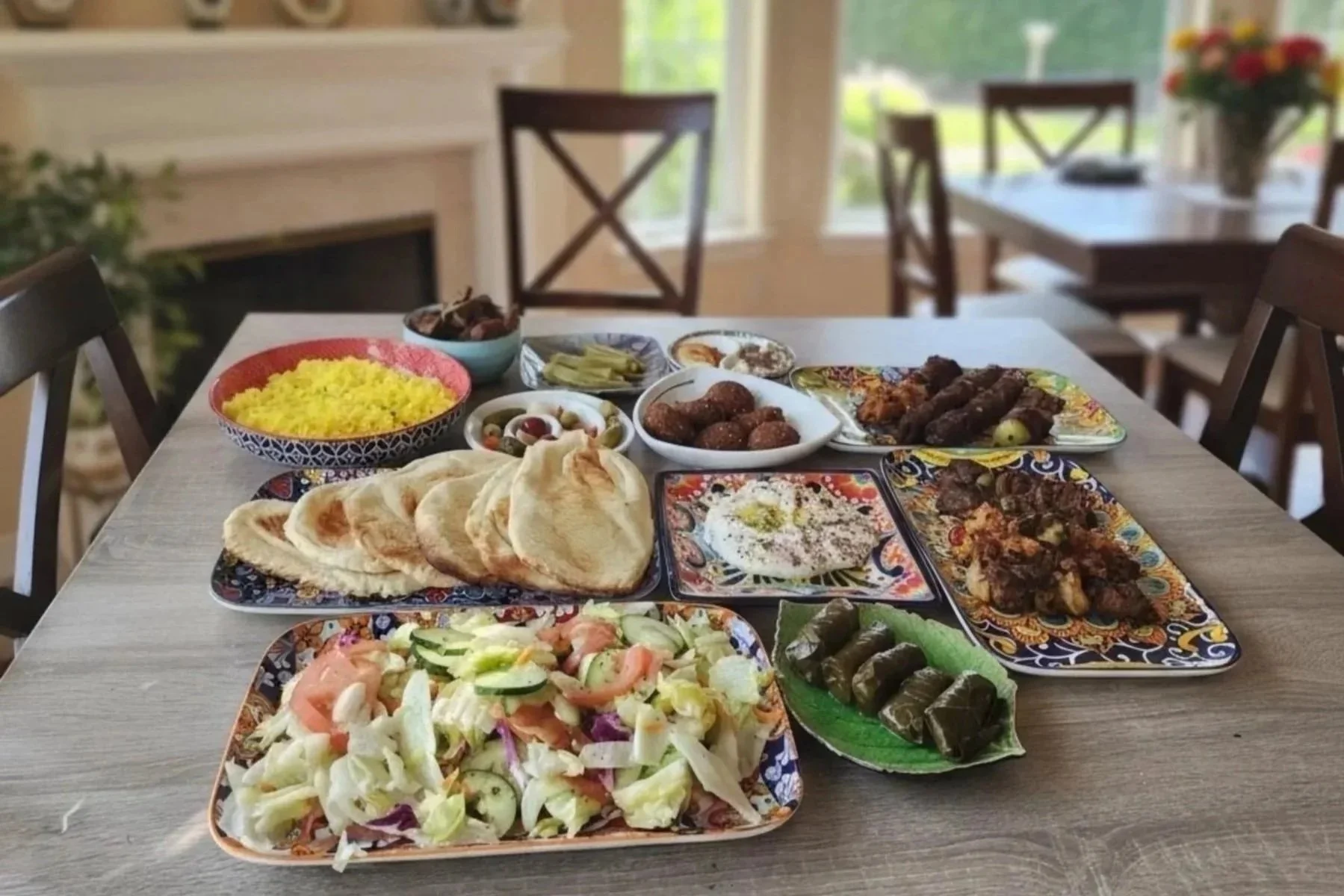
Cookbook enthusiast and ckbk user Amanda Carroll extols the virtues of this lemon and garlic sauce from the Middle East
Advertisement