Features & Stories

Newsletter: šŸ° Easy no-bake treats + cooking for spiritual nourishment 🫶

ckbk logo

Don’t feel like baking?
No problem

ā€œThere are times when I love the simplicity of being able to rustle up something delicious for dessert or for a party treat quickly without the need to bake – this is the art of ā€œNo-Bakeā€ cakes.ā€ Hannah Miles

MasterChef finalist and cookbook author Hannah Miles loves baking, and has published many books and magazine columns on the subject. But she also understands that there are times when we want a cake or sweet treat with less faff and oven heat. In No-Bake Cakes & Treats: Delectable Sweets Without Turning on the Oven Hannah brings 40 recipes to satisfy any sweet tooth, that are tea-party worthy and won’t leave the chef over-heated.

The recipes make good use of store-cupboard ingredients, and include Crispy & Crunchy Treats, Ice Cream Cakes, and a section on Spectacular Cakes and Centrepiece Desserts for those wanting to rustle up a showstopper. Try Blueberry Streusel Ice Cream Cake, Jelly and Ice Cream Cake, Peanut Butter and Cashew Squares, or a Cinnamon Pretzel Crunchie Cake.

Find all the recipes in No-Bake Cakes & Treats
Pictured above: Crispy Fresh Berry Layer Cake from No-Bake Cakes & Treats: Delectable Sweets Without Turning On the Oven by Hannah Miles

Behind the cookbook with Elisabeth Luard on Sacred Food

ā€œCertain foods have universal significance but without requiring explanation from professors of ethnology. Seeds, nuts, fruit, eggs, and grains signify renewal; new life from old. Blood, shed or shared, is a metaphor for sacrifice. Sweetness, sugar and honey, makes the heart glad. Wine and strong drink, together with some hallucinogenic substances extracted or obtained by one means or another, are useful to the priesthood, since they allow men to believe they are gods. These foods—presented and prepared in a million different ways, or absent and marked by regret at their absence—are to be found at the heart of all our rituals.ā€ Elisabeth Luard

In celebration of our new edition of Elisabeth Luard’s 2001 book Sacred Food: Cooking for Spiritual Nourishment—including some of Elisabeth’s own original drawings and paintings—we are thrilled to have a new feature article in which Elisabeth details some of her exceptional career, and also the journey to creation of this fascinating and deeply researched book.

In Behind the Cookbook: Sacred Food Elisabeth shares insight into how her early work as a natural history artist, and then food and travel writer, and broadcaster, is rooted in research and an anthropological approach. And how this work exploring place and identity is also the basis of Sacred Food, her book on food in religious ceremonies.

For example her chapter on Initiation documents the rich nature of foods that accompany a young person’s welcome into adulthood and their place within the family and society—rich and celebratory foods like this Yeast-Raised Butter Cake that are good for sharing and bringing community together.

The book itself is also very much a cookbook, with dishes to explore and savor. Find German Carnival Donuts, Ramadan Chickpea and Lentil Soup, ProvenƧale Marriage Broth with Saffron, and a feast of further recipes.

Read "Behind the Cookbook: Sacred Food" by Elisabeth Luard

Ingredient focus: plums

The plum is a fruit of the Prunus tree, a genus that includes the apricot, peach, sloe and cherry—cherry is a particularly close relative; the main difference being one of size. There are a great variety of plums, which differ considerably in size, shape and color, from the tiny yellow Mirabelle, to the elongated purple Victoria plum, and the Damson—a tiny dark firm variety with an intense flavor, that is too sour to eat raw but makes superb jam. Cultivation of plums developed significantly in the 17thĀ and 18th centuries, during which time the delectable aromatic green Reine Claude plum got its English name ā€˜greengage’.

A ripe plum is a joy to eat, sun-warmed and direct from the tree, if you are lucky enough to grow them or have a friendly neighbour who does. But plums are also adaptable to a great range of cooking methods and dishes that benefit from their sour-sweet taste. Try Vegetable Soup with Plums, a Plum ClafoutisĀ (pictured above), or a Greengage Frangipane Tart.
Ā 
For more ways to make the most of this late-summer seasonal fruit, explore our collection of 12 Ways with Plums.

6 ofĀ the best sponge cake recipes

When thinking of cake, it is likely a sponge cake comes to mind first—the first cake many of us attempt to bake, and universally popular and adaptable. So, let’s hear it for the sponge cake! Now dig out that mixing bowl and wooden spoon...

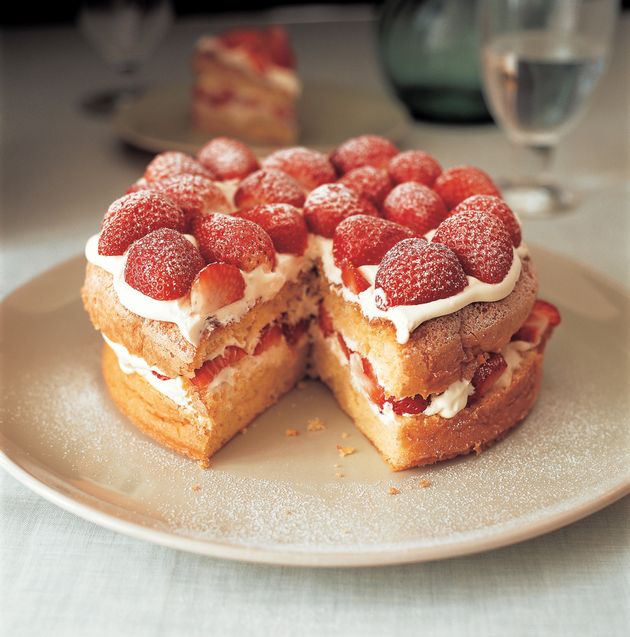
Sponge cake with strawberries and cream

from Cakes by Ann Nicol

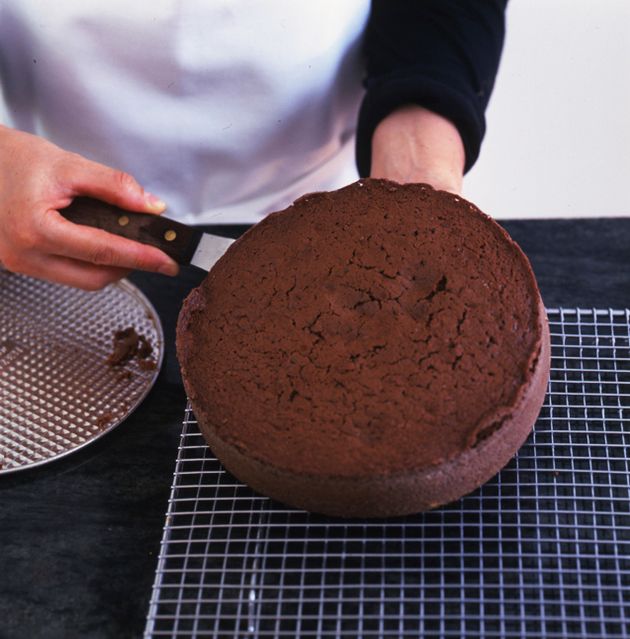
Chocolate Sponge Cake

from Baking by James Peterson

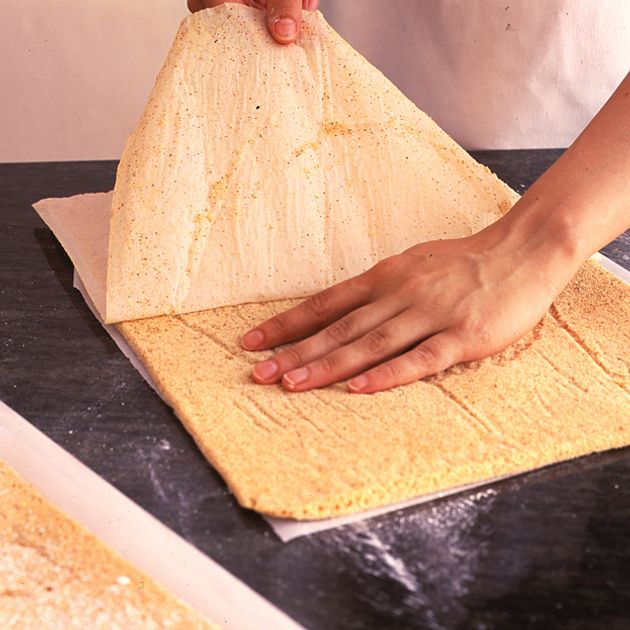
Almond Flour Sponge Cake

from Baking by James Peterson

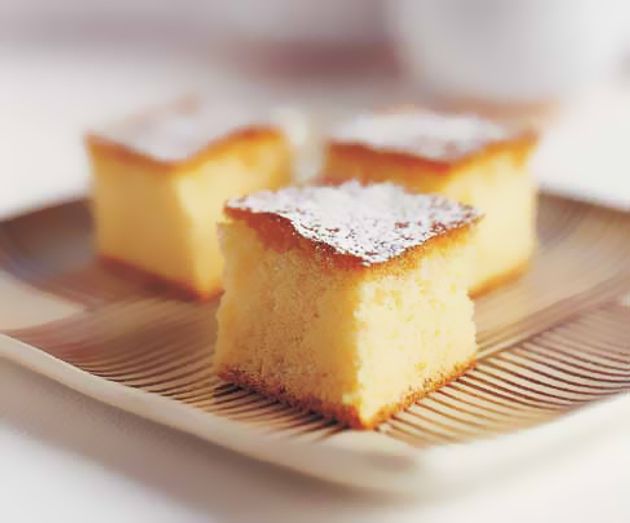
Japanese Sponge Cake

from Japanese Homestyle Cooking: Quick and Delicious Favorites by Susie Donald

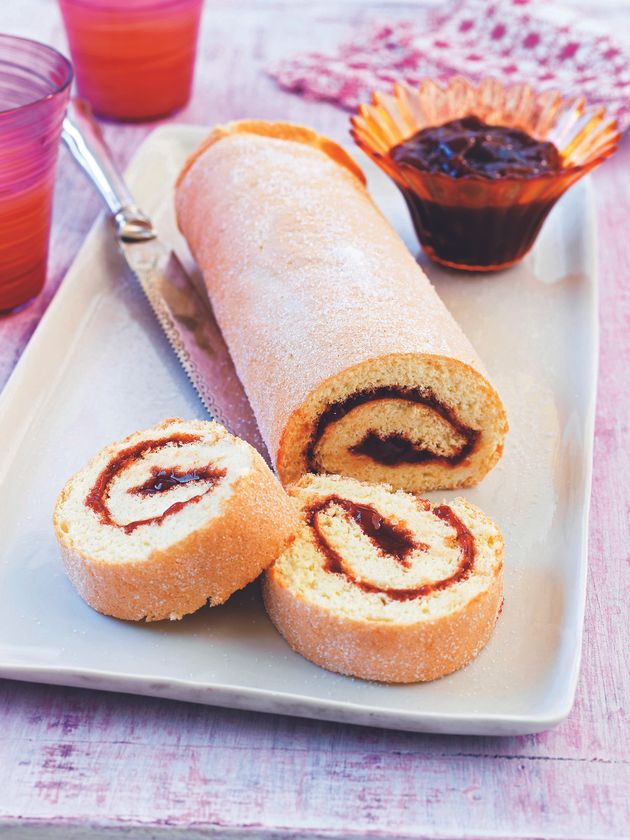
Rolled sponge cake with guava filling

from The Food and Cooking of Brazil by Fernando Farah

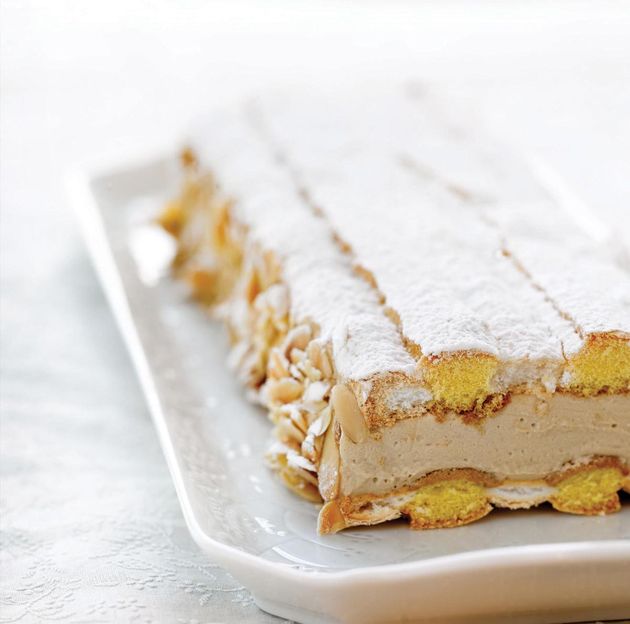
Austrian Coffee Cream Sponge Cake

from Okashi: Sweet treats made with love by Keiko Ishida